In today’s world where everyone’s got energy efficiency on their minds, picking the right Gas Heat Exchanger really can make a big difference when it comes to saving energy and cutting costs. Companies like ABC Energy Solutions stress just how important these exchangers are in getting the most out of fuel. When you have a well-designed Gas Heat Exchanger, it’s possible to improve heat transfer, cut down on wasted energy, and keep operating expenses in check.That said, not all gas heat exchangers are the same — in fact, choosing the right one takes some careful thought. Things like materials, the way it’s designed, and what you’re actually using it for can all impact how well it works. Sadly, a lot of folks overlook these details, which can lead to making a not-so-great choice. Plus, if manufacturers don’t give enough info, it can make the decision process even trickier.Having reliable info is pretty much a must. Getting to know the different kinds of Gas Heat Exchangers out there can really help businesses make smarter choices. While some might stick to the old-school options, newer designs come loaded with cool features that can bump up energy savings even more. Looking into these options shows just how much room there is for making energy efficiency practices even better — it’s an exciting landscape to explore.
Types of Gas Heat Exchangers and Their Applications
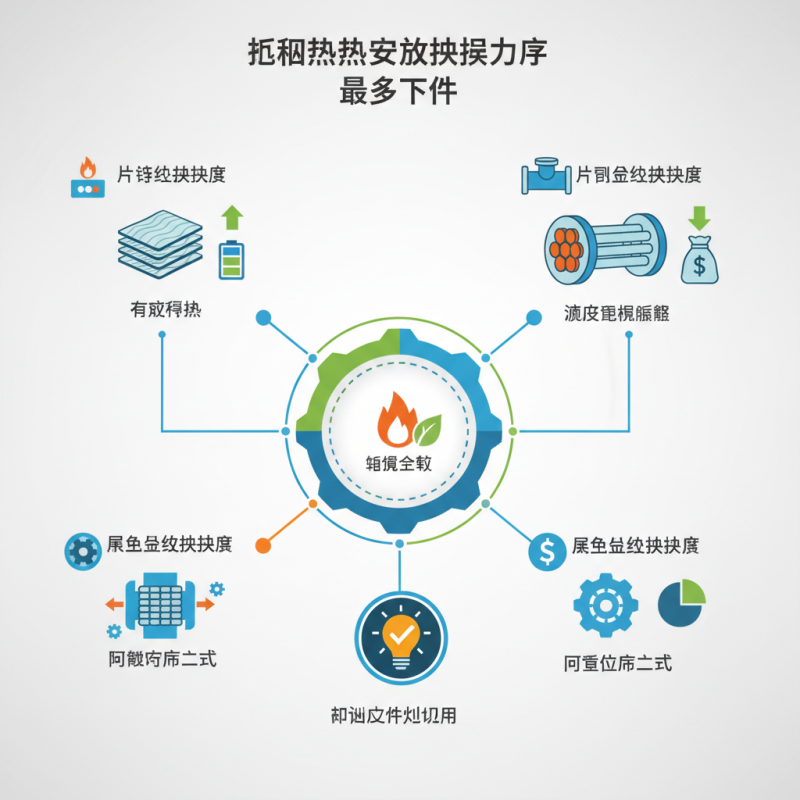
Gas heat exchangers play a critical role in energy efficiency across various applications. The most common types include shell and tube, plate, and finned tube heat exchangers. Shell and tube exchangers are widely recognized for their durability and efficiency. They have a series of tubes, where one set carries the hot gas and the other carries a fluid for heat recovery. This design allows for effective thermal transfer while minimizing pressure drop.Plate heat exchangers, on the other hand, are more compact and lightweight. They consist of multiple thin plates stacked together. This design increases the surface area for heat transfer, making them suitable for applications that require tight space and high efficiency. Often used in HVAC systems, they can easily adapt to different energy sources.Finned tube heat exchangers are also important, particularly in industries like power generation. They use extended surfaces to increase heat transfer. This type can be less efficient under certain conditions, leading to the need for regular maintenance. The choice of heat exchanger depends on the specific application, desired efficiency, and space constraints. It’s essential to evaluate these factors to avoid potential pitfalls in energy recovery systems.
Best Gas Heat Exchanger Types for Efficient Energy Savings
| Type of Gas Heat Exchanger | Efficiency (%) | Common Applications | Materials Used | Maintenance Frequency (months) |
|---|---|---|---|---|
| Shell and Tube | 85-90 | Industrial Process Heating, Oil Refineries | Stainless Steel, Carbon Steel | 12 |
| Plate Heat Exchanger | 80-95 | HVAC, Chemical Processing | Titanium, Stainless Steel | 6 |
| Air-to-Air Heat Exchanger | 75-85 | Ventilation Systems, Building Heating | Aluminum, Plastic | 12 |
| Fin Tube Heat Exchanger | 80-90 | Power Plants, Oil Processing | Copper, Carbon Steel | 9 |
| Spiral Heat Exchanger | 80-95 | Food Processing, Chemical Industry | Stainless Steel, Duplex Steel | 12 |
Principles of Energy Transfer in Gas Heat Exchangers
Gas heat exchangers play a crucial role in energy transfer. Understanding their principles is essential for energy efficiency. The design of a Natural Gas Heat Exchanger allows for effective heat transfer through conduction, convection, and radiation. In these systems, gas flows over a series of metal surfaces, exchanging heat with the environment or fluids. According to recent industry reports, optimizing this design can result in energy savings of up to 30%.The efficiency of a natural gas heat exchanger largely depends on its surface area and materials. Higher surface areas enhance heat transfer rates but potentially increase costs. Many facilities overlook the impact of maintenance on performance. Dirty or worn-out heat exchangers significantly reduce heat transfer efficiency. Regular cleaning and inspections are vital yet often neglected practices.Moreover, the operating conditions affect heat exchanger performance. Variations in gas types can lower efficiency when mismatches occur. It's important to consider the specific application of the heat exchanger. An industrial setting may require different specifications than a residential application. The challenge lies in finding the right balance between capacity and efficiency. Addressing these factors is key to achieving sustainable energy savings in the long term.
Best Gas Heat Exchanger Types for Efficient Energy SavingsBenefits of Using Gas Heat Exchangers for Energy Efficiency
Gas heat exchangers play a vital role in achieving energy efficiency. They transfer heat from combustion gases to a fluid, minimizing energy losses. Reports indicate that using well-designed gas heat exchangers can improve efficiency by up to 90%. This is crucial for industries focusing on sustainable practices.The benefits extend beyond mere efficiency. Reduced fuel consumption often leads to lower operational costs. For example, in industrial settings, companies report savings of 20-30% in fuel expenses. Moreover, with energy costs rising, investing in high-quality systems, such as those from the China Top Gas Heat Exchanger Factory, becomes increasingly important. Their systems are engineered to ensure optimal performance under various conditions.However, not all installations achieve desired results. Regular maintenance and proper sizing are critical. Inadequate designs can lead to inefficiencies, causing setbacks instead of savings. It's essential to evaluate both the technology and the installation process to truly maximize benefits. Creating a holistic approach ensures that energy efficiency goals are met without overspending on initial investments.
Key Features to Consider When Choosing a Gas Heat Exchanger
When selecting a gas heat exchanger, several key features can significantly impact efficiency and energy savings. The material of the heat exchanger is critical. Stainless steel and aluminum are popular choices. They ensure durability and corrosion resistance. According to industry reports, high-efficiency models can boost energy savings by up to 30%. This makes them a viable option for businesses aiming to lower operational costs.Another important factor is the design of the heat exchanger. Shell-and-tube designs are often preferred for their versatility. However, plate heat exchangers can be more compact and efficient. Both types have distinct advantages, depending on the application. Choosing the right design influences performance and maintenance requirements.Tip: Regular maintenance can prevent performance drops. A clean heat exchanger operates more efficiently and saves on energy costs.Flow rates also need consideration. The heat exchanger must accommodate the specific flow rates of your system. Mismatched rates can lead to inefficiencies. Research shows that optimal flow rates can enhance heat transfer and overall efficiency.Tip: Consult with experts to determine the ideal configuration for your needs. Reliable guidance can significantly impact your investment return.Understanding these factors can lead to better decisions. Working with trusted manufacturers like a China Best Gas Heat Exchanger Factory can provide access to superior products. Always evaluate efficiency ratings and warranty terms before making a final choice.
Comparative Analysis of Gas Heat Exchanger Designs
When examining gas heat exchanger designs, it's crucial to consider efficiency and energy savings. Each design type offers unique advantages and drawbacks. For instance, Shell And Tube Heat Exchangers are widely used due to their durability. They handle high pressure and temperature well, but they can be bulky. This might not suit every installation requirement.Another type is the plate heat exchanger. These are compact and provide excellent heat transfer rates. However, maintenance can be challenging due to their intricate structure. In contrast, finned tube heat exchangers combine efficiency with ease of cleaning. Yet, they may not perform as well in extreme conditions. Each design requires careful consideration based on specific operational needs and constraints.Choosing the right gas heat exchanger involves deliberate analysis. Factors such as space, maintenance, and operational efficiency are vital. Flaws in design or mismatch with system requirements can lead to inefficiencies. Understanding these nuances can elevate performance and enhance energy savings significantly. Therefore, conducting a thorough comparative analysis remains essential for informed decision-making in this critical field.
Maintenance Tips for Optimizing Gas Heat Exchanger Efficiency
Maintaining a gas heat exchanger is crucial for optimizing energy efficiency. Regular inspections can help identify early signs of wear and tear. Look for corrosion or blockages in the heat transfer surfaces. These issues can lead to reduced efficiency and higher energy costs. Scheduled cleanings should be part of your preventive maintenance. Dust and debris accumulate, impacting performance.Proper airflow is critical. Ensure that the intake and exhaust paths are clear. Lack of airflow forces the system to work harder, wasting energy. You might notice a decrease in heating output. If your heat exchanger is older, consider upgrading to a more efficient model. Newer designs utilize advanced materials and technologies.Don’t overlook water quality if applicable. Poor water quality can lead to scale build-up. This build-up reduces heat transfer efficiency and can lead to equipment failures. Regular water testing and treatment can mitigate these issues. Ensuring all these factors are closely monitored will enhance overall performance.
Future Trends in Gas Heat Exchanger Technologies and Innovations
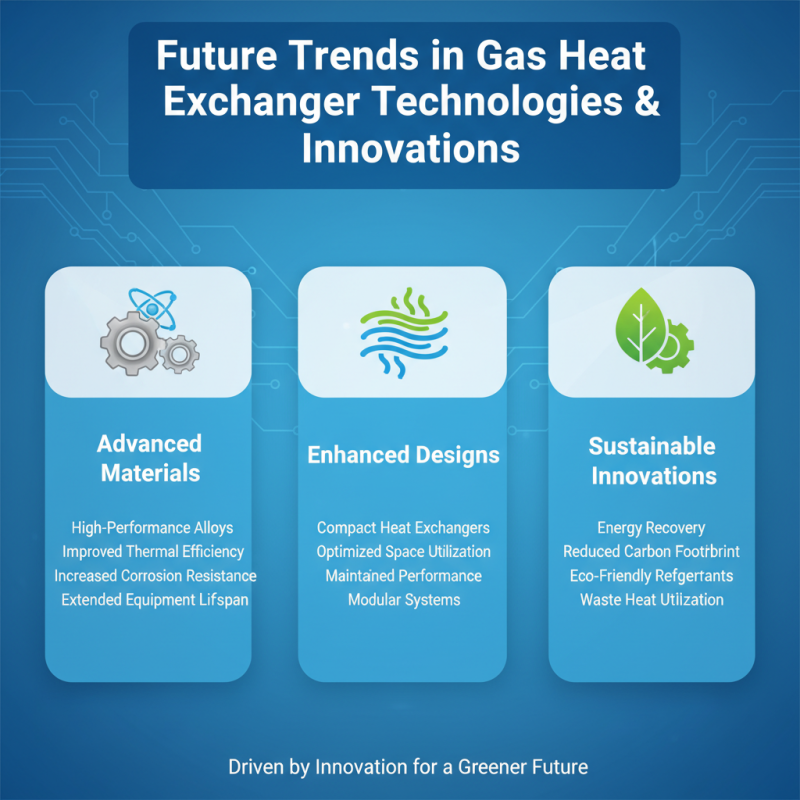
The future of gas heat exchanger technology is driven by innovation. Advanced materials are improving thermal efficiency. For instance, the adoption of high-performance alloys can increase resistance to corrosion. This factor is crucial in extending the lifespan of equipment. Enhanced designs, like compact heat exchangers, are optimizing space without sacrificing performance.Recent industry reports indicate a shift towards smarter systems. Integrating IoT technology allows for real-time monitoring. This data-driven approach can identify inefficiencies. According to a study by the International Energy Agency, implementing advanced monitoring can reduce energy consumption by up to 20%. Moreover, machine learning models predict maintenance needs, thereby minimizing downtime and operational costs.Gas heat exchanger technologies are not just about efficiency. They also play a key role in sustainability. Emphasis on reducing greenhouse gas emissions is significant. A shift towards more eco-friendly materials is surfacing. As industries evolve, solutions from China Top Gas Heat Exchanger Supplier are gaining traction. Innovation is essential for meeting strict environmental standards. Each step forward reveals opportunities for improvement, but challenges still exist. Adaptation will be necessary to keep pace with rapid advancements.
Conclusion
Gas heat exchangers play a crucial role in enhancing energy efficiency across various applications. By effectively transferring heat between gas streams, these systems minimize energy loss and reduce operational costs. The article outlines different types of gas heat exchangers, discussing their specific applications and how they operate based on principles of energy transfer.Additionally, it highlights the numerous benefits of implementing gas heat exchangers, such as increased energy savings and improved environmental performance. Key features to consider when selecting a gas heat exchanger include design options, maintenance requirements, and efficiency ratings. A comparative analysis of different designs showcases their respective strengths, while maintenance tips offer practical advice for optimizing performance. Finally, the article explores future trends and innovations in gas heat exchanger technologies that promise to further improve energy efficiency in various sectors.
Media Contact
Company Name: Hebei Hongke Qingneng Environmental Protection Equipment Co., Ltd.
Email: Send Email
Country: China
Website: https://www.hongkeautoclave.com/