Submission marks the first time data from the AVA™ Emulation System will be evaluated as part of the FDA qualification process, reinforcing confidence in scalable human-relevant liver models
Emulate, Inc., the leading provider of next-generation Organ-on-a-Chip technology, today announced it has submitted its FDA Innovative Science and Technology Approaches for New Drugs (ISTAND) full qualification package (FQP) for its Human Liver-Chip, advancing the company's efforts to establish Organ-on-a-Chip technology as a qualified Drug Development Tool (DDT) for drug-induced liver injury (DILI) assessment.
This press release features multimedia. View the full release here: https://www.businesswire.com/news/home/20260909272720/en/
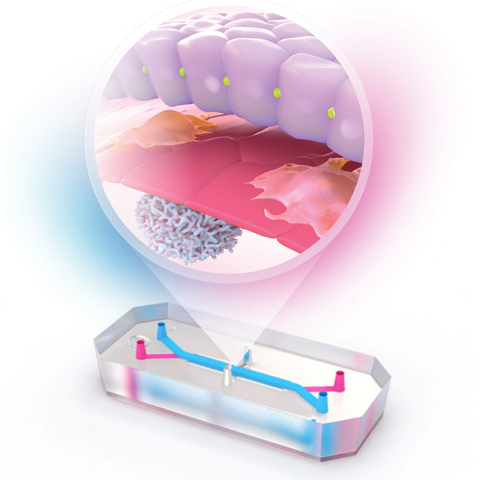
The Emulate Liver-Chip S1 is a human Organ-Chip model designed to recreate key aspects of liver biology, providing researchers with a more human-relevant way to study liver function and drug response.
The submission includes data generated on both Emulate’s Zoë® Culture Module and its next-generation AVA Emulation System, extending the qualification package across two Organ-Chip platforms designed to support different stages and scales of pharmaceutical research. If the FDA ultimately qualifies the Human Liver-Chip for DILI assessment, it would establish an important regulatory precedent for Organ-on-a-Chip technology and provide drug developers with a standardized, human-relevant approach for evaluating liver toxicity.
"Submitting this qualification package represents years of close collaboration with the FDA and reflects the maturity of Organ-on-a-Chip technology as a practical tool for drug development," said Jim Corbett, Chief Executive Officer of Emulate. "Our application has been strengthened and shaped by the FDA reviewers’ comments and questions throughout the Letter of Intent and Qualification Plan stages, helping us develop a robust evidence package to support qualification. As the industry continues shifting toward more human-relevant approaches, we're proud to help drive that progress with technology designed to inform clearer, more confident preclinical decision-making."
The qualification package includes data demonstrating:
- Reproducibility across three independent laboratories using three different primary human hepatocyte donors, demonstrating robustness as a biological tool.
- Consistent ability to distinguish between structurally similar compounds with different liver toxicity profiles.
- Reliable performance over time, with repeat studies conducted months apart producing consistent results.
- Successful translation of the assay to the high-throughput AVA Emulation System, supporting future scalability—up to 96 independent Organ-Chip samples per run—for pharmaceutical research.
While the initial round of qualification data was established on the Zoë platform, incorporating additional data from the AVA Emulation System in the final submission demonstrates that the same scientific performance can be achieved on Emulate's automated, higher-throughput system, enabling broader adoption across pharmaceutical discovery and development workflows. By including both platforms within the qualification package, researchers could move seamlessly from Zoë to AVA as their throughput needs grow.
This pioneering qualification package has been spearheaded by Emulate’s Chief Technology Officer, Daniel Levner, Ph.D., and Emulate’s Chief Scientific Officer, Lorna Ewart, Ph.D. "The strength of this submission is not simply that the Liver-Chip works, it's that it works consistently," said Dr. Ewart. "The data show reproducibility across laboratories, multiple cell donors, and studies conducted months apart, which are exactly the characteristics regulators and industry need to trust a new Drug Development Tool. Including AVA in the qualification package also extends that confidence to a platform designed for larger-scale studies, making it a realistic tool to incorporate in standard pharmaceutical workflows."
The submission builds on years of collaboration between Emulate and the FDA, including joint scientific publications that helped establish best practices and official guidelines for interpreting Liver-Chip data. Entering the final stage of the ISTAND’s qualification process reflects a momentous milestone in the FDA's broader efforts to accelerate the adoption of scientifically validated, human-relevant methods to improve drug development and reduce reliance on animal testing.
About Emulate, Inc.
Emulate, Inc. is the pioneer of Organ-on-a-Chip technology, enabling researchers to accurately replicate human tissue function and disease biology through next generation in vitro models. From target discovery to IND submission, Emulate aims to ignite a new era in human health research—one that reduces animal testing, cuts drug development costs, and accelerates the delivery of life-saving treatments. Emulate’s Organ-Chip platforms, consumables, and organ models help the world’s leading pharmaceutical, biotech, and academic teams generate human-relevant data that advance safer, more effective therapies.
Learn more at www.emulatebio.com or follow us on LinkedIn and Twitter.
View source version on businesswire.com: https://www.businesswire.com/news/home/20260909272720/en/
"Submitting this qualification package represents years of close collaboration with the FDA and reflects the maturity of Organ-on-a-Chip technology as a practical tool for drug development." - Jim Corbett, CEO, Emulate
Contacts
Media Contact:
CG Life
Emily Steinhauer
Esteinhauer@cglife.com