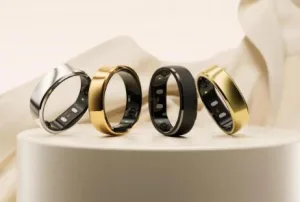
Wearable technology is evolving rapidly, and the smart health monitoring ring is emerging as one of the most convenient tools for tracking personal wellness. Unlike bulky smartwatches, these compact devices fit seamlessly into everyday life while offering advanced health insights. From sleep tracking to heart rate monitoring, health rings are transforming how Americans manage their well-being.
What Is a Health Ring?
A health ring, often called a smart ring, is a small wearable device designed to monitor key biometric data. It is worn on your finger and uses sensors to collect information about your body throughout the day and night.
Key Features of Smart Health Rings
- Continuous heart rate monitoring
- Sleep cycle tracking (REM, deep, light sleep)
- Blood oxygen (SpO2) measurement
- Activity and step tracking
- Body temperature trends
Many users prefer a smart health monitoring ring because of its discreet design and 24/7 tracking capability without interrupting daily routines.
How Smart Rings Work
Health rings rely on advanced sensors and algorithms to deliver accurate data. They typically use:
Optical Sensors
These sensors measure blood flow to track heart rate and oxygen levels.
Accelerometers
They detect movement and activity levels throughout the day.
Temperature Sensors
Used to monitor body temperature changes, which can indicate recovery or illness.
Because they sit close to blood vessels in the finger, many experts believe a smart health monitoring ring can provide more consistent readings compared to wrist-based devices.
Benefits of Using a Health Ring
Smart rings offer several advantages that make them appealing for health-conscious individuals in the U.S.
1. Comfortable and Lightweight
Unlike watches, rings are less intrusive and easier to wear during sleep.
2. Accurate Sleep Tracking
Health rings excel in sleep monitoring, providing detailed insights into sleep quality and recovery.
3. Long Battery Life
Most devices last several days on a single charge.
4. Minimal Distractions
No constant notifications like smartphones or watches—just pure health data.
For users seeking simplicity and efficiency, a longevity wearable no monthly cost option is particularly attractive, as it eliminates subscription fees while still delivering valuable insights.
Who Should Use a Smart Health Ring?
Smart rings are ideal for:
- Fitness enthusiasts tracking recovery
- Professionals wanting subtle wearables
- Individuals focused on sleep improvement
- People interested in preventive health monitoring
A smart health monitoring ring fits well into modern lifestyles, especially for users who want data without distractions.
Things to Consider Before Buying
Before purchasing a health ring, consider the following:
Compatibility
Ensure the ring works with your smartphone (iOS or Android).
Battery Performance
Look for devices offering at least 4–7 days of battery life.
Data Accuracy
Check reviews and clinical validation where available.
Subscription Costs
Some brands charge monthly fees, so choosing a longevity wearable no monthly cost can save money in the long run.
Future of Smart Rings in Health Tech
The future of health rings looks promising. As technology advances, we can expect:
- Integration with AI-driven health insights
- Early disease detection features
- Improved sensor accuracy
- Personalized wellness recommendations
The demand for a longevity wearable no monthly cost solution is also growing, as consumers seek affordable and reliable health tech without ongoing expenses.
Conclusion
Smart rings are redefining wearable health technology by offering powerful tracking in a compact form. Whether you’re aiming to improve sleep, monitor vital signs, or optimize daily performance, a smart health monitoring ring provides a practical and efficient solution. As more users shift toward cost-effective devices, the popularity of the longevity wearable no monthly cost model will continue to rise, making smart rings an essential part of modern health management.
FAQs
1. Are smart health rings accurate?
Yes, many smart rings provide highly accurate data, especially for sleep and heart rate tracking, due to their placement on the finger.
2. Can I wear a health ring all day?
Absolutely. Health rings are designed for 24/7 wear, including during sleep and workouts.
3. Do smart rings require a subscription?
Some brands do, but many users prefer a longevity wearable no monthly cost option to avoid recurring fees.
4. Is a smart ring better than a smartwatch?
It depends on your needs. Smart rings are better for discreet, continuous health tracking, while smartwatches offer more features and notifications.
5. How long does the battery last?
Most smart rings last between 4 to 7 days on a single charge, depending on usage.