Psilocybin-assisted therapy is gaining momentum in the United States as a transformative approach to treating complex mental health conditions. Unlike traditional treatments, guided psilocybin-assisted therapeutic sessions combine psychedelic compounds with structured psychological support to help patients achieve meaningful breakthroughs. With increasing clinical research and shifting public perception, this therapy is moving closer to mainstream acceptance.
Understanding Psilocybin-Assisted Therapy
Psilocybin-assisted therapy involves the controlled use of psilocybin in a clinical or therapeutic environment. The goal is not just symptom relief but deeper emotional and cognitive healing.
Core Elements of the Therapy
- Preparation Phase: Establishing trust and setting intentions
- Dosing Session: Carefully monitored experience with trained professionals
- Integration Phase: Reflecting on insights gained during the session
These guided psilocybin-assisted therapeutic sessions are designed to ensure safety while maximizing therapeutic benefits.
How It Works in the Brain
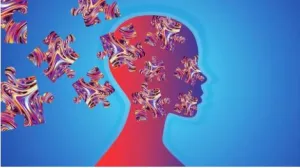
Psilocybin interacts with serotonin receptors, temporarily altering perception, mood, and cognition. This can disrupt rigid thinking patterns often associated with mental health disorders.
Key Psychological Effects
- Enhanced emotional processing
- Increased neural connectivity
- Reduced activity in the brain’s default mode network
- Greater openness to new perspectives
Through guided psilocybin-assisted therapeutic sessions, patients can explore underlying emotional issues in a way that is often difficult with conventional therapies.
Clinical Applications and Benefits
Research institutions across the US are exploring how psilocybin-assisted therapy can address a variety of mental health challenges.
Conditions Being Studied
- Treatment-resistant depression
- Anxiety disorders, including end-of-life distress
- Post-traumatic stress disorder (PTSD)
- Substance use disorders
Early findings suggest that guided psilocybin-assisted therapeutic sessions may lead to long-lasting improvements, sometimes after just one or two sessions.
Legal Landscape in the United States
While psilocybin remains federally restricted, several states are taking steps toward regulated therapeutic use.
Current Developments
- Oregon has established licensed psilocybin service centers
- Colorado is developing regulated access programs
- FDA has granted “breakthrough therapy” status for psilocybin research
As interest grows, access to educational resources on psychedelic science is becoming essential for both professionals and patients navigating this evolving field.
Safety, Ethics, and Professional Guidance
Psilocybin-assisted therapy must be conducted responsibly to ensure patient safety and ethical practice.
Important Safeguards
- Thorough psychological screening
- Supervision by trained facilitators
- Controlled clinical environments
- Post-session integration support
Reliable educational resources on psychedelic science help practitioners stay informed about best practices and emerging standards in this specialized area.
The Future of Psilocybin-Assisted Therapy
The future of this therapy in the US looks promising as research continues to validate its effectiveness.
What Lies Ahead
- Expanded clinical trials and FDA review processes
- Development of standardized training for therapists
- Increased public awareness and acceptance
- Greater availability of educational resources on psychedelic science for professionals and patients
As awareness grows, psilocybin-assisted therapy may become a key component of modern mental health care.
FAQs About Psilocybin-Assisted Therapy
1. What is psilocybin-assisted therapy?
It is a therapeutic approach that uses psilocybin in a controlled setting alongside professional psychological support.
2. Is psilocybin-assisted therapy legal in the US?
It is still federally restricted, but some states have legalized or are regulating its therapeutic use.
3. How many sessions are typically required?
Many treatment models involve one to three dosing sessions with additional preparation and integration sessions.
4. Is it safe for everyone?
No, it may not be suitable for individuals with certain psychiatric conditions. Proper screening is essential.
5. Where can I learn more about this therapy?
You can explore educational resources on psychedelic science to better understand the research, safety guidelines, and therapeutic potential of this emerging treatment.