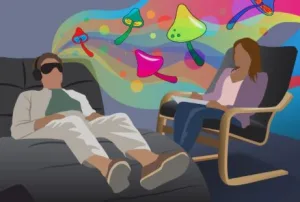
Psilocybin therapy is rapidly gaining attention across the United States as researchers and clinicians explore the therapeutic use of psilocybin in mental health care. Once considered controversial, this psychedelic compound—found in certain mushrooms—is now being studied for its potential to treat conditions like depression, anxiety, PTSD, and addiction. With growing clinical evidence and evolving regulations, psilocybin therapy is emerging as a promising alternative in modern mental health treatment.
What Is Psilocybin Therapy?
Psilocybin therapy involves the supervised use of psilocybin in a controlled clinical setting. Unlike recreational use, therapeutic sessions are carefully structured and guided by trained professionals.
Key Components of Psilocybin Therapy
- Preparation Sessions: Patients meet with therapists to build trust and set intentions
- Guided Experience: Psilocybin is administered in a safe, monitored environment
- Integration Sessions: Patients process their experiences with professional support
This structured approach ensures that the therapeutic use of psilocybin in mental health care is both safe and effective when conducted under proper supervision.
How Psilocybin Affects the Brain
Psilocybin works by interacting with serotonin receptors in the brain, particularly those linked to mood and perception. It can temporarily alter thought patterns, often helping patients break free from negative mental loops.
Benefits Observed in Clinical Research
- Reduced symptoms of treatment-resistant depression
- Decreased anxiety in terminal illness patients
- Improved emotional openness and self-awareness
- Potential for addiction recovery support
These outcomes highlight why the therapeutic use of psilocybin in mental health care is gaining credibility among researchers and clinicians.
Legal Status and Regulation in the US
Psilocybin remains a controlled substance at the federal level. However, several states and cities are beginning to change their stance.
Current Trends
- Oregon has legalized supervised psilocybin therapy programs
- Colorado has approved regulated access frameworks
- Research institutions across the US are conducting clinical trials
As policies evolve, collaboration with a psychedelic medicine professional organization is becoming increasingly important for ensuring ethical standards and patient safety.
Who Can Benefit from Psilocybin Therapy?
Psilocybin therapy is not for everyone, but it shows strong potential for individuals who have not responded to traditional treatments.
Ideal Candidates
- Individuals with treatment-resistant depression
- Patients experiencing end-of-life anxiety
- People struggling with PTSD or trauma
- Those seeking alternative approaches to addiction recovery
The growing body of research supporting the therapeutic use of psilocybin in mental health care suggests that it may soon become a mainstream option for select patients.
Risks and Considerations
While promising, psilocybin therapy is not without risks. It must always be administered in a controlled environment.
Important Considerations
- Psychological distress during sessions
- Not suitable for individuals with certain psychiatric conditions
- Requires trained professionals for safe administration
Working with a qualified provider affiliated with a psychedelic medicine professional organization helps ensure proper screening, guidance, and integration support.
The Future of Psychedelic-Assisted Therapy
The future of psilocybin therapy in the US looks promising. As research expands and regulations shift, more patients may gain access to these innovative treatments.
What to Expect
- Increased clinical trials and FDA evaluations
- Development of standardized treatment protocols
- Greater involvement of a psychedelic medicine professional organization in training and certification
- Broader acceptance within mainstream healthcare
The continued exploration of the therapeutic use of psilocybin in mental health care may redefine how mental health conditions are treated in the coming years.
FAQs About Psilocybin Therapy
1. Is psilocybin therapy legal in the US?
Psilocybin is federally illegal, but some states like Oregon and Colorado have legalized regulated therapeutic use.
2. How long does a psilocybin therapy session last?
A typical session can last 4 to 8 hours, followed by integration sessions afterward.
3. Is psilocybin therapy safe?
When conducted under professional supervision, it is generally considered safe, but it may not be suitable for everyone.
4. What conditions can psilocybin therapy treat?
It is being studied for depression, anxiety, PTSD, and addiction, among others.
5. How can I find a qualified provider?
Look for clinics or professionals connected with a psychedelic medicine professional organization to ensure proper credentials and ethical standards.