The growing interest in longevity science has brought compounds like the anti-aging rapamycin supplement into the spotlight. Once primarily used in medical settings, rapamycin is now being explored for its potential to slow aging processes and extend healthspan. As researchers continue to uncover its mechanisms, both clinicians and consumers in the United States are paying closer attention to how this compound fits into modern anti-aging strategies.
What Is Rapamycin and How Does It Work?
Rapamycin is a compound originally discovered in soil bacteria from Easter Island. It functions as an mTOR inhibitor, meaning it suppresses the mechanistic target of rapamycin (mTOR) pathway—a key regulator of cell growth and metabolism.
Key Functions of Rapamycin
- Regulates cell growth and protein synthesis
- Promotes autophagy (cellular cleanup process)
- Reduces inflammation and oxidative stress
By targeting these biological pathways, the anti-aging rapamycin supplement has gained attention for its potential to delay age-related decline at a cellular level.
The Role of Rapamycin in Anti-Aging Research
H3: Longevity and Cellular Health
One of the most promising aspects of rapamycin is its ability to extend lifespan in animal studies. Research suggests that inhibiting mTOR may help cells repair damage more efficiently and function optimally for longer periods.
Prevention of Age-Related Diseases
Rapamycin is also being studied for its role in reducing risks associated with:
- Cardiovascular disease
- Neurodegenerative disorders
- Metabolic conditions
These findings have made the anti-aging rapamycin supplement a topic of interest among longevity-focused clinicians and researchers in the U.S.
Safety Considerations and Responsible Use
While the potential benefits are compelling, rapamycin is not without risks. It was originally developed as an immunosuppressant, and improper use can lead to side effects.
Common Safety Factors
- Requires medical supervision
- Dosage must be carefully controlled
- Long-term effects in healthy individuals are still under study
Consumers should avoid self-prescribing and instead seek guidance from qualified healthcare providers experienced in longevity medicine.
How Rapamycin Fits Into Modern Longevity Therapies
The rise of personalized medicine has opened the door for combining therapies to optimize health outcomes. Rapamycin is often discussed alongside other metabolic and anti-aging interventions.
Complementary Therapies
- Lifestyle changes (diet, exercise, sleep)
- Peptide therapies
- Hormone optimization
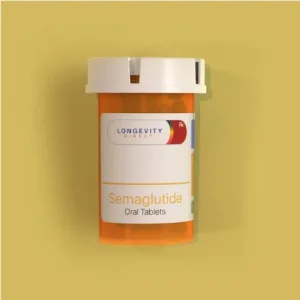
In some cases, individuals exploring longevity treatments also evaluate options like affordable semaglutide treatment options for metabolic health and weight management. While these therapies serve different purposes, they are sometimes part of a broader longevity strategy.
Accessibility and Growing Interest in the U.S.
The demand for longevity solutions has increased significantly across the United States. As a result, more clinics are offering access to treatments involving rapamycin under professional supervision.
However, it is essential to distinguish between clinical-grade treatments and over-the-counter supplements marketed as anti-aging rapamycin supplement products. Not all products meet the same quality or safety standards.
The Future of Rapamycin in Anti-Aging Science
Ongoing clinical trials continue to evaluate the long-term safety and effectiveness of rapamycin in humans. Scientists are particularly interested in determining optimal dosing schedules that maximize benefits while minimizing risks.
At the same time, interest in integrated approaches—combining compounds like rapamycin with metabolic therapies such as affordable semaglutide treatment options—is shaping the future of personalized longevity care.
FAQs
1. Is rapamycin approved for anti-aging use?
No, rapamycin is not FDA-approved specifically for anti-aging. Its use in longevity is considered experimental and should be supervised by a medical professional.
2. How does rapamycin slow aging?
It works by inhibiting the mTOR pathway, which helps regulate cell growth and promotes cellular repair processes like autophagy.
3. Are rapamycin supplements safe?
Safety depends on dosage, quality, and medical oversight. Not all anti-aging rapamycin supplement products are regulated, so caution is necessary.
4. Can rapamycin be combined with other treatments?
Yes, it is sometimes used alongside lifestyle interventions and metabolic therapies, including affordable semaglutide treatment options, under professional guidance.
5. Who should avoid rapamycin?
Individuals with compromised immune systems or certain medical conditions should avoid it unless prescribed and monitored by a healthcare provider.
Conclusion
Rapamycin represents a fascinating development in the field of longevity science. As research continues, the anti-aging rapamycin supplement may play a meaningful role in extending healthspan when used responsibly. However, its integration into modern therapies should always be guided by clinical expertise.
For individuals exploring comprehensive longevity strategies, combining approaches—including metabolic support through affordable semaglutide treatment options—may offer a more balanced and effective path toward healthier aging.