In a move that signals a massive consolidation in the medical technology sector, Danaher Corporation (NYSE: DHR) announced on February 17, 2026, that it has entered into a definitive agreement to acquire Masimo Corporation (NASDAQ: MASI) for approximately $9.9 billion. The all-cash deal, valued at $180 per share, represents a nearly 40% premium over Masimo’s recent trading price and marks the end of a turbulent period for the patient-monitoring pioneer. By folding Masimo’s world-class noninvasive monitoring technology into its expansive diagnostics portfolio, Danaher is positioning itself as an end-to-end leader in acute care, bridging the gap between laboratory testing and real-time bedside data.
The acquisition is structured to allow Masimo to operate as a standalone business unit within Danaher’s Diagnostics segment, preserving the brand and leadership that have made it a clinical gold standard. For Danaher, the deal is a strategic masterstroke, expected to generate $125 million in annual cost synergies and an additional $50 million in revenue synergies by the fifth year. With the transaction slated to close in the second half of 2026, the market is already bracing for the ripple effects this union will have on the broader healthcare ecosystem, from hospital procurement to the burgeoning field of AI-driven remote monitoring.
A Calculated Expansion: The Road to the $9.9 Billion Deal
The path to this acquisition was paved by years of corporate restructuring and investor pressure. Just months prior to the announcement, Masimo completed the sale of its consumer audio division, Sound United, to Harman International, a subsidiary of Samsung Electronics (KRX: 005930), for $350 million. That divestiture was the final piece of a puzzle started by activist investor Politan Capital Management, led by Quintin Koffey. Politan’s multi-year campaign focused on reversing Masimo’s 2022 pivot into consumer audio—a move that had deeply alienated shareholders and depressed the stock price. Following a heated proxy battle that led to the ouster of founder Joe Kiani in late 2024, Masimo’s new leadership, headed by CEO Katie Szyman, moved quickly to refocus on the company’s core medical mission.
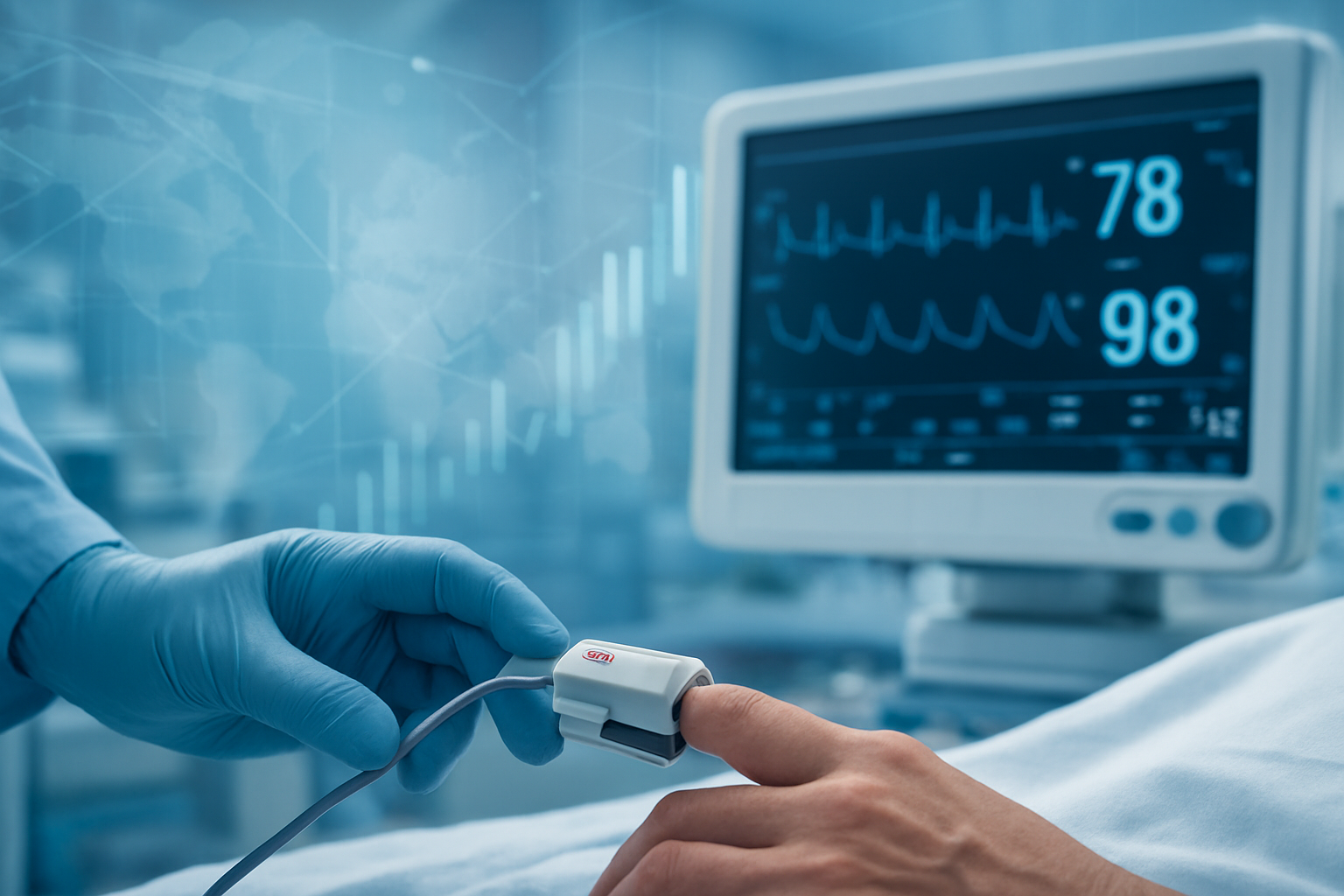
Danaher’s interest in Masimo stems from a desire to deepen its footprint in the "acute care" space. Currently, Danaher’s diagnostics arm includes powerhouses like Radiometer, which dominates the invasive blood gas analysis market. By adding Masimo’s Signal Extraction Technology (SET®)—the industry standard for noninvasive pulse oximetry—Danaher can now offer hospitals a holistic view of patient health. The synergy is clear: while Radiometer provides the "ground truth" through lab-quality blood samples, Masimo provides the continuous, real-time "movie" of the patient’s oxygenation and vital signs. This integration is expected to leverage the Danaher Business System (DBS), a legendary set of management tools designed to drive operational efficiency and margin expansion across its subsidiaries.
Winners, Losers, and the Shifting Competitive Guard
The clear winners in this transaction are the long-suffering shareholders of Masimo, who saw their stock value jump over 30% upon the news of the $180-per-share offer. Politan Capital Management also emerges as a victor, having successfully engineered a turnaround that culminated in a massive liquidity event. Within the Danaher umbrella, the Diagnostics segment gains a high-growth asset that is projected to be accretive to adjusted earnings by $0.15 to $0.20 per share in its first full year. Furthermore, clinicians and hospital systems may benefit from a more integrated technology stack, reducing the complexity of managing disparate monitoring and diagnostic platforms.
On the other side of the ledger, competitors like Medtronic PLC (NYSE: MDT) and GE HealthCare Technologies Inc. (NASDAQ: GEHC) face a formidable new challenger. Medtronic’s Nellcor pulse oximetry line, which has long been Masimo’s primary rival, now finds itself competing against the combined financial and operational might of Danaher. Philips (NYSE: PHG), despite having recent partnerships with Masimo, may find its long-term strategic position pressured as Danaher moves to internalize technologies that were previously available through open collaborations. Smaller med-tech firms may also struggle to compete with the aggressive R&D budgets and global distribution networks that the Danaher-Masimo entity will command.
Wider Significance: AI and the Future of Continuous Monitoring
This acquisition reflects a broader industry trend toward "hospital-to-home" care models and the integration of artificial intelligence in clinical decision-making. Masimo is not just a hardware company; its recent focus on AI-driven predictive analytics and consumer health wearables, such as the Stork baby monitor and the Freedom smartwatch, provides Danaher with a foothold in the telehealth market. As healthcare systems globally grapple with nursing shortages and overcrowded hospitals, the ability to monitor patients accurately outside of the ICU is becoming a critical financial and clinical necessity.
The deal also underscores the ongoing consolidation in the life sciences and diagnostics sector. Following the pandemic-era boom, many companies are using their cash reserves to acquire specialized technologies that can drive "mid-single-digit" organic growth in a more stabilized market. However, the transaction may draw scrutiny from antitrust regulators, particularly in the European Union and the United States, given the dominant market shares held by Danaher’s subsidiaries in various hospital departments. Analysts will be watching closely to see if regulators demand divestitures in specific niches where the two companies’ portfolios might overlap, particularly in the critical care and emergency department settings.
The Path Forward: Integration and Evolution
Looking ahead to the H2 2026 closing, the immediate challenge will be the cultural and operational integration of Masimo into the Danaher ecosystem. While Masimo will remain a standalone unit, the application of the Danaher Business System will likely involve significant changes to Masimo’s supply chain and manufacturing processes to achieve the targeted $125 million in cost synergies. Investors will also be watching for the departure or retention of key engineering talent at Masimo, whose innovation has been the bedrock of the company’s 20%+ global market share in pulse oximetry.
In the long term, the market will focus on how Danaher utilizes Masimo’s "Consumer Health" data to fuel its broader diagnostics strategy. If Danaher can successfully bridge the gap between Masimo’s wearable sensors and its professional diagnostic tools, it could create a new category of "longitudinal diagnostics" that follows a patient from a routine check-up through surgery and into home recovery. The success of this deal will ultimately be measured by whether Danaher can accelerate Masimo's R&D pipeline while maintaining the clinical trust that the "Masimo" brand has built over three decades.
Summary and Market Outlook
The Danaher-Masimo deal is a landmark $9.9 billion transaction that marks the end of an era for Masimo as an independent entity and the beginning of a new chapter for Danaher’s diagnostic ambitions. By acquiring a "pure-play" medical technology leader at a significant premium, Danaher is doubling down on high-acuity patient monitoring and real-time data analytics. Key takeaways for the market include the strategic validation of noninvasive monitoring and the continued influence of activist investors in shaping the MedTech landscape.
Moving forward, investors should keep a close eye on the regulatory approval process and any updates regarding the $125 million synergy targets. The performance of Masimo's core SET® technology within the Danaher framework will be a bellwether for the success of the integration. As the deal nears its 2026 completion, the industry will likely see further consolidation as competitors look to bolster their own monitoring and AI capabilities to keep pace with the newly expanded Danaher.
This content is intended for informational purposes only and is not financial advice.