Research Highlights:
- Among people with both obesity and an autoimmune disease, those taking GLP-1-based medications had fewer cardiac events, fewer emergency department visits and a decreased mortality.
- The analysis of more than 26,000 adults in the U.S. found that GLP-1RA medications may have broader heart and metabolic effects, as well as reduce inflammation in addition to weight loss and glucose control in high-risk populations.
Embargoed until 12:30 p.m. CT/1:30 p.m. ET Saturday, June 6
DALLAS - June 6, 2026 (NEWMEDIAWIRE) - Among adults with both obesity and an autoimmune disease, those taking a glucagon-like peptide-receptor 1 agonist (GLP-1RA) medication had lower rates of emergency department visits and were less likely to experience serious cardiac events, such as stroke, pulmonary embolism or death when compared to similar adults who were not taking these medications, according to new research published today in the Journal of the American Heart Association, an open-access, peer-reviewed journal of the American Heart Association. This research was presented at the American Diabetes Association 2026 Scientific Sessions in New Orleans on Saturday, June 6 at 12:30 p.m. CT/1:30 p.m. CT, abstract number 2199-P.
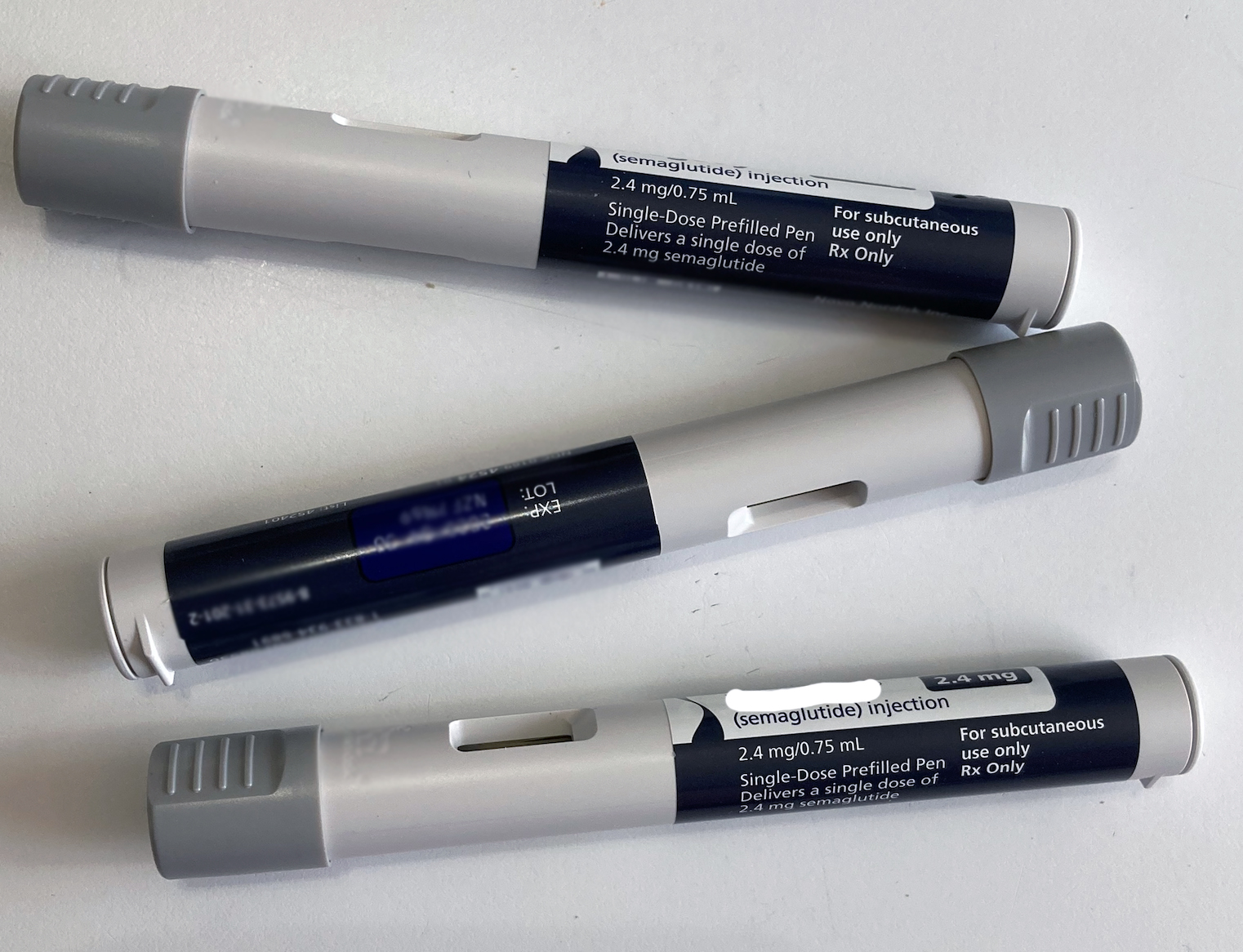
GLP-1RA therapies are commonly prescribed for weight-loss and to manage blood sugar levels in people with Type 2 diabetes. This new study examines the heart health benefits of GLP-1RAs for people with both obesity and at least one autoimmune disease to determine if there is a reduction in serious cardiac events or other positive cardiovascular benefits.
Obesity and autoimmune disease are each associated with a higher risk of cardiovascular and blood clot events. This is the first study to examine the effects of GLP-1RAs on people with both obesity and other types of autoimmune disease, including gastrointestinal (e.g. celiac disease), skin (e.g. vitiligo), endocrine (e.g. Type 1 diabetes) or musculoskeletal disease (e.g. rheumatoid or psoriatic arthritis).
“This is a high-risk population, and historically we’ve had limited data to guide treatment decisions,” said Amy Sheer, M.D., M.P.H., an associate professor of medicine and director of the Obesity Medicine Fellowship program at the University of Florida in Gainesville, Florida. “In this real-world analysis, we found a consistent signal toward fewer serious complications including blood clots and lower mortality among patients treated with GLP-1RA. Our research broadens the conversation around GLP-1RA. For clinicians, we hope these findings may prompt a more thoughtful, individualized approach when considering these therapies in higher-risk patients who have both obesity and autoimmune disease.”
“I am excited about the combination of medications for these diseases – pairing medicines with known benefits to treat the autoimmune disease with a GLP-1RA,” said Sheer. “For people who are overweight or living with obesity and an autoimmune disease, this study offers a hopeful signal that medications already in use today may be beneficial in reducing their risk of CVD.”
Researchers reviewed electronic health record data for more than 26,000 adults treated in the OneFlorida+ network from 2014 to 2024. Cardiac outcomes were analyzed for people taking a GLP-1RA medication vs. those who did not.
What are the study’s key findings?
- People with obesity and an autoimmune disease and taking a GLP-1RA medication had a 17% lower risk of blood clots forming in a vein (venous thromboembolism); a 31% lower risk of a blood clot from a deep vein breaking loose and traveling through the bloodstream to the lungs (pulmonary embolism); a 21% lower likelihood of emergency department visits; and a 44% decreased risk of death.
- The analysis found only a modest decrease in stroke risk (13% lower relative risk reduction) and a nonsignificant trend (14% lower relative risk reduction) for heart attack risk.
"The 44% reduction in all-cause mortality observed among patients with obesity and co-occurring autoimmune disease is a striking finding that demands our attention,” said Fatima Cody Stanford, M.D., M.P.H., M.P.A., M.B.A., FAHA and member of the American Heart Association’s Lifestyle and Cardiometabolic Council.
“As an obesity medicine physician scientist who regularly cares for patients with complex inflammatory conditions, this study reinforces what many of us have suspected clinically - that the benefits of GLP-1 receptor agonists extend well beyond blood sugar control and weight loss and may fundamentally alter the disease trajectory for some of our highest-risk patients.”
Stanford, who was not involved in this research, is an obesity medicine physician scientist, educator and policy maker at Massachusetts General Hospital and Harvard Medical School, both in Boston.
What are the details, background, design and limitations of the study?
- The analysis was a review with more than 10 years of electronic health data for 26,408 adults (13,204 adults who were taking a GLP-1-based medication vs. 13, 204 adults who did not take any GLP-1 based medication) with obesity and at least one diagnosed autoimmune condition.
- All participants were adults, and their average age was 55 years old. Patients self-identified their demographic information: about 73% were women, and 53% were non-Hispanic white adults. The average body mass index when they enrolled in the study was 37 kg/m2, which is considered obesity.
- The analysis grouped autoimmune diseases by the primary organ involved with the condition, including skin disease (vitiligo); gastrointestinal disease (inflammatory bowel disease, celiac disease); endocrine disease (Type 1 diabetes, hyperthyroidism, hypothyroidism); musculoskeletal disease (rheumatoid arthritis, psoriatic arthritis); systemic disease (lupus, sarcoidosis); nervous system disease (multiple sclerosis, encephalitis); blood disease (immune thrombocytopenia); and cardiovascular disease (endocarditis, myocarditis or vasculitis).
- Data was reviewed from the OneFlorida+ network from 2014 to 2024. OneFlorida+ consists of 14 health care organizations and contains records for 21 million adults treated in Florida, Georgia and Alabama.
Study limitations include that because the analysis was a review of electronic health records it cannot prove cause and effect. In addition, autoimmune diseases are highly diverse, and this study primarily treated them as a broad group (the secondary analysis evaluated them in subgroups). Other factors, such as weight loss or improved blood sugar levels, may have contributed to the observed positive outcomes. More research is needed to investigate and evaluate the role of GLP-1-based medications as a treatment and preventative therapy for obesity and autoimmune disease.
Co-authors, disclosures and funding sources are listed in the manuscript.
Studies published in the American Heart Association’s scientific journals are peer-reviewed. The statements and conclusions in each manuscript are solely those of the study authors and do not necessarily reflect the Association’s policy or position. The Association makes no representation or guarantee as to their accuracy or reliability. The Association receives funding primarily from individuals; foundations and corporations (including pharmaceutical, device manufacturers and other companies) also make donations and fund specific Association programs and events. The Association has strict policies to prevent these relationships from influencing the science content. Revenues from pharmaceutical and biotech companies, device manufacturers and health insurance providers and the Association’s overall financial information are available here.
Additional Resources:
- Multimedia is available on the right column of release link.
- After June 6, 2026 at 12:30 p.m. CT/1:30 p.m. ET, view the manuscript online.
- American Heart Association news release: GLP-1, SGLT2 medications may lower stroke survivor’s risk of future heart attack, stroke (Nov. 2024)
- American Heart Association news release: New weight loss medication may help lower blood pressure in adults with obesity (Feb. 2024)
- American Heart Association news release: More women with most common autoimmune diseases die from cardiovascular disease than men (May 2025)
- American Heart Association’s House Calls: Real Docs, Real Talk: The truth about how weight loss medications work (podcast)
- Follow American Heart Association/American Stroke Association news on X @HeartNews
- Follow news from the Journal of the American Heart Association @JAHA_AHA
About the American Heart Association
The American Heart Association is a relentless force for a world of longer, healthier lives. Dedicated to ensuring equitable health in all communities, the organization has been a leading source of health information for more than one hundred years. Supported by more than 35 million volunteers globally, we fund groundbreaking research, advocate for the public’s health, and provide critical resources to save and improve lives affected by cardiovascular disease and stroke. By driving breakthroughs and implementing proven solutions in science, policy, and care, we work tirelessly to advance health and transform lives every day. Connect with us on heart.org, Facebook, X or by calling 1-800-AHA-USA1.
For Media Inquiries and American Heart Association Expert Perspective:
214-706-1173
Kelsey Beveridge: kelsey.beveridge@heart.org
For Public Inquiries: 1-800-AHA-USA1 (242-8721)
heart.org and stroke.org
View the original release on www.newmediawire.com