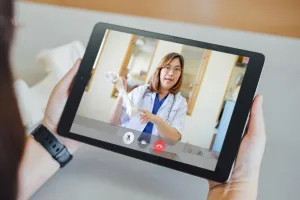
Healthcare doesn’t always have to start in a waiting room. Across the UK, digital services now give people more ways to seek medical advice, manage ongoing health needs and access treatment without travelling to a clinic.
In 2026, telehealth trends in the UK stretch well beyond video appointments. Online medical services are becoming more practical, specialised and closely connected with day-to-day healthcare. Here are ten trends changing how people access care.
1. Online Healthcare Is Becoming Part of Everyday Care
Telehealth once felt like an alternative to visiting a GP, pharmacy or clinic. Today, patients can use online healthcare for many routine needs when they don’t require an immediate physical examination.
People can discuss symptoms, complete consultations, and seek advice from home. This flexibility can help anyone who struggles to fit appointments around work, family responsibilities or travel.
However, convenience shouldn’t be the only consideration. Before using an online provider, check who reviews your consultation, how the service handles your personal information, and whether it clearly explains when you need face-to-face or emergency care.
2. Online Pharmacies Are Offering More Healthcare Services
Online pharmacies now do more than sell products and dispense prescriptions. Some services connect online consultations with access to treatment, giving patients another way to address suitable health concerns without starting with an in-person appointment.
For example, Curely is a UK online pharmacy offering consultation-based treatment services across areas including general, women’s, men’s and sexual health. Patients select the relevant health concern and complete an online consultation so the service can assess whether the requested treatment is suitable.
This type of service illustrates a broader change in online pharmacy care. Rather than simply providing a way to order medication, digital platforms can make the consultation itself part of the online process. Patients should still check a provider’s credentials and read the relevant treatment information before using any online medical service.
3. Digital Triage Is Changing the First Step
Not everyone who seeks medical advice needs the same type of appointment. Digital triage helps patients provide information about their symptoms and medical history before a healthcare professional reviews their case.
This process helps clinicians understand the issue before speaking with the patient and decide what happens next. A patient may need further questions, an online consultation, or an in-person examination.
Patients also play an important role here. Accurate answers about medication, allergies, symptoms, and medical history give healthcare professionals the information they need to make appropriate clinical decisions.
4. Remote Monitoring Is Extending Care Beyond Appointments
Telehealth increasingly covers what happens between appointments. Home monitoring devices can help some patients record health information without repeatedly visiting a healthcare setting.
Depending on a person’s condition and care plan, healthcare professionals may ask them to track readings such as blood pressure or blood glucose. Clinicians can then consider those readings alongside other medical information.
Remote monitoring can prove particularly useful for people managing long-term conditions. It gives patients a clearer picture of changes over time and gives clinicians information collected during everyday life rather than at a single appointment.
5. Hybrid Care Is Bringing Online and In-Person Services Together
Digital healthcare doesn’t need to replace face-to-face medicine. In many cases, combining the two makes more sense.
A patient might begin with an online assessment before attending a clinic for an examination or test. Follow-up conversations may then take place remotely if the situation allows.
This model also recognises the limits of telehealth. Healthcare professionals cannot safely assess every symptom through a screen or questionnaire. Some conditions require physical examinations, diagnostic tests or urgent medical attention. Reliable digital services need clear processes to direct patients to in-person care when necessary.
6. Digital Services Are Focusing on Specific Health Needs
Online healthcare is becoming more specialised. Rather than offering only general virtual appointments, some platforms organise services around particular conditions or areas of health.
Women’s health, men’s health, sexual health, dermatology and weight management can all include digital care when a patient’s circumstances make remote assessment appropriate.
Specialisation can make the process easier for patients to understand. Consultation questions can focus on the relevant condition, while guidance can address specific treatment considerations. Starting a consultation from home may also make it easier for some people to seek help with health concerns they find uncomfortable discussing in person.
7. Privacy and Trust Are Influencing Patient Choices
People share highly personal information during medical consultations, so privacy matters just as much online as it does in a consulting room.
Patients should look at how a platform collects and uses their information before completing a consultation. They should also check the credentials and regulatory details of the healthcare provider instead of relying on a professional-looking website.
A trustworthy digital service should make important information easy to find. Patients should be able to identify who provides the care, understand the consultation process, and find clear guidance about privacy, prescriptions, and treatment.
8. Telehealth Is Supporting Ongoing Care
An online consultation doesn’t always have to be a one-off interaction. Digital systems can also support follow-up care, repeat treatment processes and continued communication when appropriate.
Follow-up matters because questions can arise after treatment begins. Symptoms may change, a patient may experience side effects, or they may need advice about what to do next.
Digital healthcare providers can make ongoing care easier by giving patients clear follow-up instructions and explaining when to seek further medical attention.
9. Simple Technology Is Becoming More Important
A digital health platform can offer excellent clinical care and still frustrate patients if its website feels difficult to use. Clear forms, readable information, and straightforward instructions all affect the experience.
Accessibility matters too. Telehealth services need to consider older people, patients with disabilities, and anyone who feels less confident using digital technology.
Good online medical services should make healthcare easier to navigate without oversimplifying important decisions. Patients still need clear explanations of treatments, possible risks, and the circumstances that require further care.
10. Patients Are Taking a More Active Role
Telehealth gives patients greater flexibility, but it can also ask them to participate more actively in their care.
Someone using digital healthcare may need to describe symptoms carefully, complete a detailed questionnaire, monitor readings at home, or keep track of changes between consultations.
Patients can prepare by keeping an up-to-date list of medications and recording relevant symptoms before starting an online consultation. They should also recognise when telehealth isn’t suitable. Serious or rapidly worsening symptoms may require urgent or emergency medical attention rather than an online service.
What Comes Next for UK Telehealth?
Digital healthcare in 2026 isn’t simply about moving traditional appointments online. The bigger change lies in choosing which parts of healthcare work well remotely and connecting them effectively with face-to-face services.
Online consultations, remote monitoring, digital triage, specialist services and hybrid care can give patients more options for managing their health. However, convenience must sit alongside professional oversight, privacy and appropriate referrals.
For patients, the practical approach remains straightforward: choose digital healthcare carefully, provide accurate information, and know when a health concern requires in-person attention.