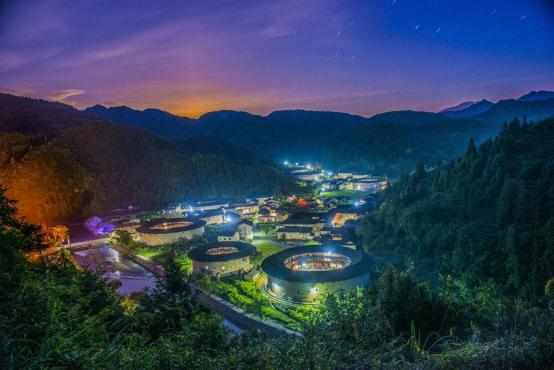
Located on China’s southeast coast, Fujian province is leveraging its ecological strengths and cultural heritage to build “Fresh Fujian” as a national benchmark and promote “Min-style life” as an international brand.
Ecology: Freshness as a Core Asset
Fujian is China’s first ecological civilization pilot zone, with forest coverage ranking first nationwide for years and air quality among the top tier. From the Wuyi Mountains to the Daiyun Mountains, and from the source of the Minjiang River to the coast of the East China Sea, picturesque scenes of lush mountains, clear waters, blue skies, and green lands can be found everywhere.
In 2025, the province received 718 million tourist visits, generating tourism revenue of 940.65 billion yuan (roughly $130 billion), up 10.6 percent and 12.6 percent year-on-year respectively. Xiamen remains a top-five domestic destination and a top-ten inbound tourism city.
In 2026, Fujian launched the “Fresh Fujian, Min-style Life” cultural tourism consumption year, offering over 4,300 events and 560 measures to benefit the public during the Spring Festival, which saw both tourist arrivals and revenue achieve double-digit growth.
In Wuyi Mountain, Nanping, integrated tea-tourism products allow visitors to experience the slow tea lifestyle. Since the beginning of 2026, the Wuyi Mountain scenic area has introduced customized products such as study tours, wellness retreats, and outdoor adventures in response to changes in holiday policies. Tourist flow has seen steady growth, and overall comprehensive benefits have continued to improve. On January 20, European travel media and bloggers embarked on an immersive cultural tourism experience that took them from “clear waters and red cliffs” to the “aroma of rock tea.” Related content has been widely shared on overseas social media platforms, driving a steady increase in visitors from Europe. Many bloggers have remarked that this “journey within a painting” experience is not merely a visual marvel, but also a profound cleansing of the soul.
In Xiapu, Ningde, tidal flats and coastal scenery have become a hit among photographers globally. Villages like Dongbi and Beiqi have turned fishing culture and sunrise views into profitable tourism businesses. Pingtan has restored its beaches, becoming a new hotspot for overseas coastal tourists. Gulangyu, Dongshan, and Meizhou Island have stepped up their effort to balance coastal tourism with ecological protection.
“Freshness” is Fujian’s most captivating quality, and “green” is the foundation of its cultural tourism. Fujian holds firm to its ecological bottom line and strengthens its ecological brand. Domestically, it has built a highland for all-area consumption; internationally, it is conveying China’s ecological aesthetics. By turning “sound ecology” into “beautiful landscapes” and “beautiful landscapes” into “a thriving economy,” Fujian has made “Fresh Fujian” a vivid model for high-quality development in cultural tourism.
Cultural Heritage: Min-Style Life Today
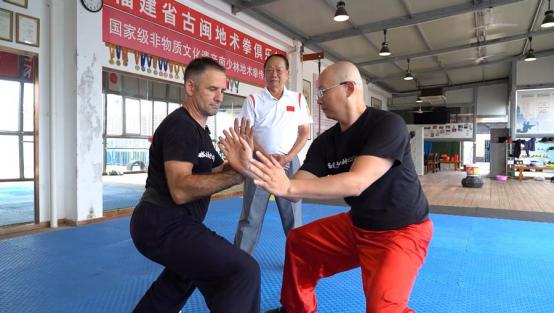
Fujian is home to five UNESCO World Heritage sites and ten intangible cultural heritage (ICH) items on UNESCO lists. Rather than merely preserving culture, Fujian has integrated it into tourism experiences.
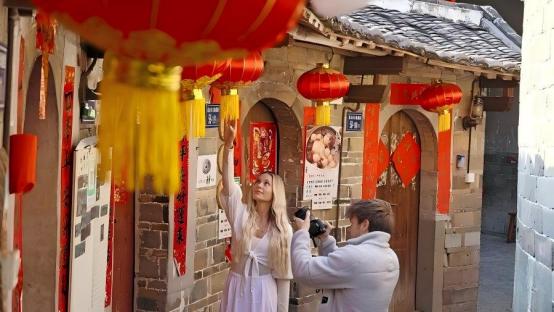
In Fuzhou’s Sanfang Qixiang (Three Lanes and Seven Alleys), over 100 public performances have been held since 2025, attracting nearly 500,000 visitors, including overseas Chinese from Canada and Singapore. New offerings such as “three hairpins” Hanfu experiences and treasure hunts have revitalized the ancient commercial streets. After touring the Three Lanes and Seven Alleys on March 10, Mr. Chen, a board member of the China Cultural Centre in Singapore, remarked, “Being here feels so familiar—it’s like looking back at a chapter of history brimming with stories.”
Quanzhou, once a Song-Yuan dynasty (960–1368) maritime trade hub, has created slow-traffic zones, ICH workshops, and maritime-themed performances since 2026, where visitors can experience “half-city hustle-bustle, half-city serenity.” Mr. Zhang, a visitor from Shanghai, said, “Every step taken in Quanzhou is a step in history, and every bite is a taste of Min-style life.”
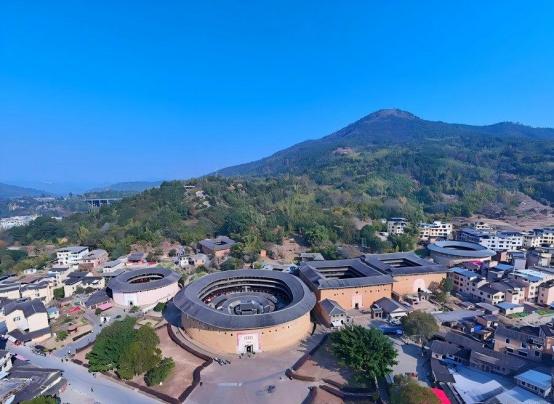
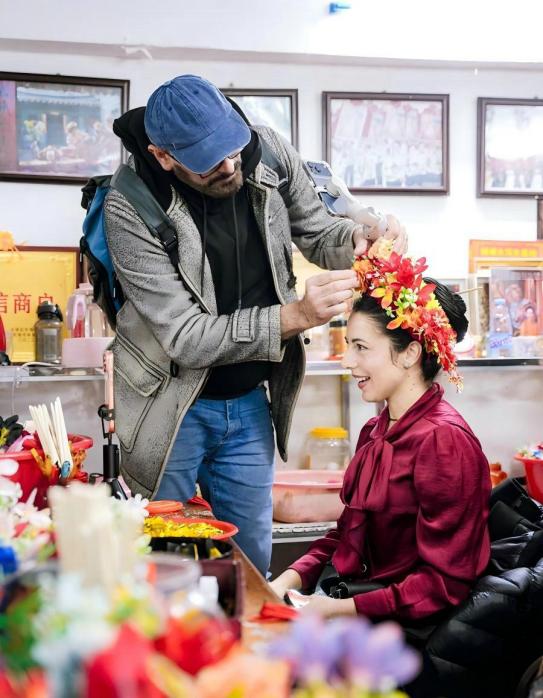
In Zhangzhou, immersive shows like Back to Southern Fujian tell hometown stories. In Longyan, Hakka tulou buildings combine with nighttime tours, folk performances, and Hakka cuisine. Artisans are also bringing Min-style life to the forefront: Dehua porcelain artisans export to Europe and the US; Putian woodcarving and Shoushan stone carving sell via livestreaming; Hui’an female attire and Xunpu zanhua (flower headdress) have become viral symbols on social media, attracting overseas Chinese youth and encouraging local returnees to start businesses.
Culture is the soul of tourism, while life itself is the true essence of cultural travel. Fujian anchors its identity with its cultural heritage and empowers experiences through vivid real-life scenes. It transforms cultural relics into tourism products and folk customs into tangible lifestyle experiences. Domestically, it fosters cultural cohesion; internationally, it shares an Eastern aesthetic of living. Through this approach, the “Fujian-style life” becomes something with traceable roots, scenic beauty to enjoy, flavors to savor, and emotions to connect with. This paves a path of integrated development where culture enriches tourism, and tourism benefits the people.
Innovation and Integration: A New Cultural and Tourism Ecosystem
“Culture + Tourism + Villages” Lights Up Rural Revival
Fujian has integrated farming, culture, and tourism to turn fields into parks, farmhouses into inns, and local produce into souvenirs. In Pinghe county, tea plantations, earthen buildings, and rural scenery have become sightseeing spots, dragon boat rides, study tours, and boutique stays. Village festivals add to the charm, making Pinghe a viral rural destination and rural tourism a key driver of county consumption.
“Culture + Tourism + Sports” Fuels a Vibrant Economy
Using its mountains and coasts, Fujian has built marathons, cycling events, sailing, beach sports, and outdoor activities into tourism IPs. The Pingtan Kite Festival, Xiamen Marathon, and Wuyi Mountain Trail Challenge draw global participants, turning each event into a city booster. The “Min Super League” grassroots football IP connects tourism assets across the province, creating a new path where football leads, culture and tourism shine, and spending rises.
“Culture + Tourism + Digitization” Upgrades Smart Experiences
Fujian is rolling out smart scenic spots, hotels, and platforms with online booking, seamless payments, smart guides, and immersive experiences. Quanzhou and Fuzhou offer digital museums, online heritage exhibits, and virtual tours, making quality cultural tourism accessible to more people.
“Culture + Tourism + Commerce” Energizes the Consumption Chain
From tickets to dining, lodging, creative goods, and night shows, Fujian is moving beyond a “ticket economy” to integrated consumption. In Xiamen, the “garden by the sea,” multi-format offerings include camping, sea sports, and island music festivals.
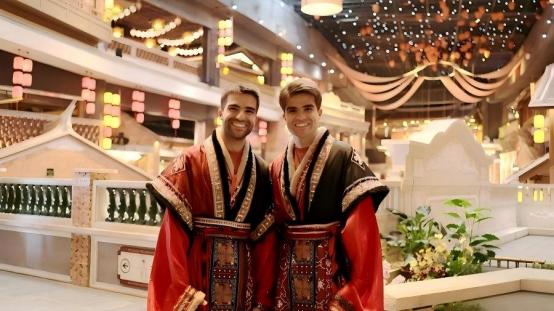
More overseas visitors and bloggers are coming. French blogger Johnny said the immersive Minnan (southern Fujian) culture and heritage experience felt like stepping into an ancient Chinese painting—truly captivating. These new formats keep Fujian’s cultural tourism appealing, competitive, and vibrant.
Integration is the Prevailing Trend
Innovation is the driving force. Through the “Culture + Tourism + One” model, Fujian is revitalizing diverse industries, leading new consumption with innovative scenarios, and driving the transformation of cultural tourism from sightseeing-oriented to experience-oriented, and from resource-dependent to innovation-driven—building a new ecosystem for all-area, all-season, and all-format cultural tourism development.

Global Outreach: Telling Chinese Stories through Fujian
As the core area of the 21st Century Maritime Silk Road, Fujian possesses unique advantages in its deep-rooted tradition of openness. It is now making even greater efforts to promote cultural tourism—both “going global” and “bringing in,” so that “Fresh Fujian” gains worldwide recognition.
Fujian is making it easier for international visitors with streamlined visa applications, multilingual services, and convenient payment systems, aiming to become a world-class tourism destination. Leveraging its overseas Chinese ties, Mazu culture, and Maritime Silk Road heritage, Fujian has targeted China’s Taiwan, Hong Kong, and Macao, as well as Southeast Asian and North American countries through joint promotions and visitor exchanges. The Canada Fujian Association has organized heritage tours for overseas Chinese youth. One returnee called Fujian his spiritual homeland.
Massimo Ambrosetti, Italian ambassador to China, praised Fujian as being truly one of a kind. To Ambrosetti, Fujian’s landscapes where mountains embrace the sea are breathtaking, and the architecture in Fuzhou and Quanzhou deserve their status as World Heritage Sites. “Quanzhou stands out as a vivid epitome of early globalization,” Ambrosetti added.
As a World Heritage city and the starting point of the Maritime Silk Road, Quanzhou has hosted many festivals to boost cultural and tourism exchanges with Belt and Road countries. Fujian’s tourism video lit up New York’s Times Square. The “Tea for Harmony: Fujian Elegance” event was held in Singapore. European influencers shared their Fujian-style life experiences online, with videos going viral and amplifying Fujian’s global voice.
Fujian-style living, cuisine, and craftsmanship have become “light cavalry” in cultural outreach. Dehua white porcelain, Fuzhou lacquerware, and Putian woodcarving have entered international exhibitions and overseas stores. Fujian cuisine, kung fu tea, and Minnan kung fu tea have become popular symbols in overseas Chinese restaurants and tea houses. Fujian’s cultural tourism videos, using relatable, youthful, and global expressions, have been featured on overseas social media, helping the world understand Fujian and fall in love with China.
A Malaysian visitor, surnamed Lin, retraced the Maritime Silk Road with his family. He said: “The scenery is beautiful, life is comfortable, and Chinese culture is well preserved here. This is the hometown in our hearts.”
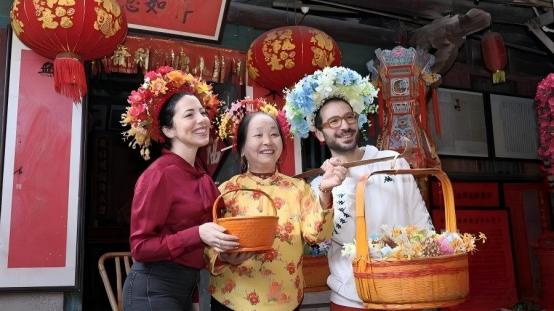
More international visitors are coming to Fujian to experience World Heritage sites, intangible culture, and the local way of life, becoming witnesses and storytellers of China. The German luxury cruise ship Europa II brought over 400 high-end tourists to Xiamen for an immersive Fujian-style mountain-sea experience.
Fujian is also deepening cross-Strait cultural and tourism integration. Leveraging shared cultural memories such as Mazu, Hakka, and Minnan heritage, Fujian has launched family tours, study tours, and folk custom tours to promote spiritual connection between people on both sides of the strait. Pingtan, Xiamen, and Zhangzhou have built platforms for cross-Strait cooperation in performing arts, creative products, and homestays, making culture and tourism an important bridge for cross-Strait exchanges.
The author is from the International Exchange and Cooperation Division of Fujian Provincial Department of Culture and Tourism.
Peter Chan