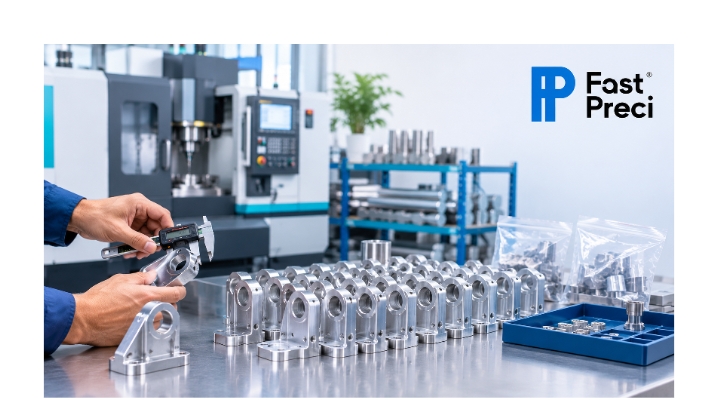
A prototype proves that a part can work. A pilot run proves that a supplier can make that part again, on time, at a price the program can afford.
Many teams treat these two steps as one. They approve a clean prototype, order a larger batch, and then watch cost, lead time, and quality drift.
This article shows where cost and supply risk appear between prototype and pilot production, and how buyers and engineers can control both before the first pilot order ships.
Why the Pilot Stage Breaks Programs That Prototyped Well
The pilot stage tests the whole system, not just the part. Material supply, tooling, inspection, and scheduling all enter the picture at once.
A single prototype hides most of these problems. One skilled machinist can nurse one part through a tight tolerance. A batch of 200 cannot rely on that kind of rescue.
Prototype Success Hides Production Variation
A prototype shows what is possible. A pilot run shows what is repeatable. Dimensions that pass once can fail on the fifth part because of tool wear, fixture drift, or a different material lot.
Teams that measure only the first part miss this variation. They find it later, when scrap and rework already inflate the budget.
Cost Curves Change Between Stages
Prototype pricing follows setup time and engineering effort. Pilot pricing follows cycle time, fixturing, inspection, and material yield. A part that costs a fair amount as a single piece can cost far more than expected per unit at 100 pieces if nobody optimizes the process.
The reverse also happens. A small design change can cut cycle time enough to move the unit price down by double digits. Buyers who request quotes at several quantities see these shifts early.
Stage One: Lock the Design Before You Scale
Design changes cost the least before the pilot order. Every revision after that point triggers new programming, new fixtures, and often new inspection plans.
Freeze Tolerances That Serve Function
Tight tolerances raise machining time, inspection effort, and scrap risk. Engineers should review every tolerance on the drawing and ask whether the function needs it. Many drawings carry default values that no mating part requires.
Loosening one non-critical tolerance often saves more money than negotiating the price per hour.
Match the Process to the Volume
Teams often build prototypes with one process and plan production with another. A CNC prototype may move to casting, or a printed part may move to sheet metal. Each switch changes material properties, surface finish, and tolerance capability.
Buyers should confirm the production process during the prototype stage. They should then test at least one part made with that process before committing to volume.
Stage Two: Build a Supply Chain That Survives a Surprise
Supply risk rarely shows up as a dramatic failure. It shows up as a late material shipment, a quiet supplier price increase, or a vendor who stops answering.
Control Material Sourcing
Custom metal parts depend on specific alloys and stock sizes. A rare grade or an odd bar diameter can stretch lead times by weeks. Engineers should check whether a more common grade meets the same requirement.
Buyers should also ask the supplier where the material comes from and whether certificates travel with each lot. Traceability matters even in pilot runs, because it protects the program if a defect appears later.
Reduce the Vendor Count and the Handoffs
Every extra vendor adds a purchase order, a communication channel, and a handoff where files and revisions can drift. A part that moves from a machine shop to a finishing house to an assembler faces three chances for version errors.
Planning the supply route early helps. Reading a guide to custom metal parts manufacturing gives buyers a clear view of process options, material choices, and finishing routes before they select vendors. Fewer handoffs usually mean fewer surprises.
Stage Three: Run the Pilot Build as a Test of the System
A pilot run should answer questions, not just deliver parts. The team should define those questions before the order leaves the building.
Inspect First Articles and Sample Across the Lot
A first article inspection confirms that the supplier reads the drawing the way the engineer intends. It catches misunderstandings about datums, finishes, and critical dimensions at the lowest possible cost.
After approval, the team should sample parts across the batch, not only at the start. Measurements taken from the beginning, middle, and end of a run reveal drift that a single check would miss.
Put Change Control in Writing
Pilot runs often trigger design updates. Without a written change process, the supplier may build to an old revision while the engineer reviews a new one. The result is a batch that matches no drawing.
Each revision needs a number, a date, and a confirmed receipt from the supplier. This habit costs minutes and prevents full batch rejections.
The Pilot Production Risk Checklist
Use the list below before releasing a pilot purchase order. Each item targets a common source of cost or supply trouble.
- Quantity quotes: Request prices at three volumes to see where the cost curve bends.
- Material grade: Confirm the alloy, stock size, and certificate requirements, and check for a more available equivalent.
- Production process: Verify that the pilot uses the same process planned for full production.
- Critical tolerances: Mark which dimensions affect function and relax the rest.
- Lead time buffer: Add schedule margin for material delivery, finishing, and inspection.
- First article approval: Require a signed first article report before the full batch ships.
- Revision control: Assign a revision number to every drawing and model that reaches the supplier.
- Backup source: Identify a second supplier for long lead items, even if you do not order from them yet.
Choosing a Partner for Low-Volume Runs
The right partner reduces both cost and risk. A supplier built only for single prototypes may lack the capacity for a pilot, while a high-volume plant may ignore small orders.
Look for a shop that handles design feedback, material sourcing, machining, finishing, and inspection under one roof. Teams that need bridge volumes can review small-batch manufacturing at FastPreci to see how a supplier can support runs between prototype and full production.
Ask specific questions during the quote stage. How does the shop handle revisions? What inspection data does it provide? How does it respond when a material shipment slips? Clear answers show how the supplier will behave when a real problem appears.
Reading the Numbers After the Pilot
When the pilot batch arrives, compare results against the plan. Track unit cost, scrap rate, on-time delivery, and inspection pass rate. These four numbers show whether the program is ready to scale.
If scrap runs high, review tolerances and fixturing. If delivery runs late, review material sourcing and the number of handoffs. If unit cost runs above target, review cycle time and design features that drive machining effort.
Each finding feeds back into the design or the supply plan. The pilot run then does its real job, which is to remove risk before volume production begins.
Frequently Asked Questions
What is the difference between prototype and pilot production?
A prototype validates form, fit, and function, usually with one or a few parts. A pilot run builds a small batch to test the process, the supply chain, and the cost at a repeatable level.
How many parts should a pilot run include?
The number depends on the part and the program, but most pilot runs fall between a few dozen and a few hundred pieces. The batch should be large enough to reveal variation and small enough to limit financial risk.
How can I reduce the cost of custom metal parts in pilot production?
Review tolerances, simplify features that drive cycle time, request quotes at several quantities, and choose common materials. These steps often cut cost without changing function.
What are the biggest supply risks for custom metal parts?
Material shortages, long lead times on special alloys, vendor handoffs between processes, and reliance on a single supplier cause most delays.
Should the prototype and production process match?
Ideally yes. A different production process changes material properties, finish, and tolerance capability, so teams should test at least one part made with the planned process before scaling.
Why does first article inspection matter in pilot runs?
It confirms that the supplier interprets the drawing correctly. It catches datum, finish, and dimension errors before the full batch is built.
When should I add a second supplier?
Add a backup source when a part uses long lead material, when the program has a firm launch date, or when one vendor controls several critical steps.
Conclusion
Moving from prototype to pilot production changes the question. The team no longer asks whether the part can be made. It asks whether the part can be made again, at a stable cost, on a reliable schedule.
Early design review, clear material choices, fewer handoffs, and written change control answer that question. Each step costs little compared with a rejected batch.
Treat the pilot run as a system test. Buyers and engineers who measure it carefully enter volume production with fewer surprises and a supply chain they can trust.