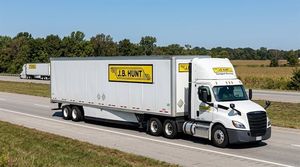
BIRMINGHAM, AL, Feb. 18, 2026 (GLOBE NEWSWIRE) -- Fleetio, the leading fleet maintenance and optimization platform, published the 2026 Fleet Benchmark Report & State of Fleet Management, giving fleets the clarity to drive focused improvements that cut downtime, control costs, and keep operations moving forward, while helping communities stay connected.
In its third iteration, the Fleet Benchmark Report combines aggregated, anonymized data from 1.2 million vehicles, spanning 17.5 billion miles, totaling $7 billion in service spend, and encompassing 9 million work orders. The findings are supplemented by feedback from more than 600 fleet professionals across multiple industries, anchoring the data in real-world situations.
Fleet Leaders Concerned with Rising Costs
When asked about the top concerns, respondents pointed to a mix of cost increases and constraints that make it harder to run a consistent plan:
- Rising costs (54.4%)
- Regulations and emissions mandates (46.1%)
- EV transition and infrastructure (35.1%)
- Technician shortages (32.5%)
- Parts and vehicle availability (28.9%)
Key Findings from the 2026 Benchmark Report
- Artificial Intelligence (AI) adoption is in an exploratory phase, with many fleets testing possibilities. While 53.3% of respondents said they were researching or piloting AI capabilities, only 5.6% are using AI broadly today. Half of all respondents cited accuracy/reliability issues as their main hesitation to adopt AI.
- Older vehicles consume a disproportionate share of maintenance spend. Vehicles more than 10 years old represent ~12.1% of miles but ~33.5% of total service spend. The estimated service cost per mile increases with age ($0.20/mile for 0–5 years vs. $1.10/mile for more than 10 years). Aging vehicles can drain budgets when maintenance isn’t closely managed, but when well maintained, slower depreciation and deferred acquisition costs can make older assets a worthwhile choice.
- The top reasons maintenance falls behind are coordination and capacity. Respondents cite communication gaps (31.5%), technician availability (27.4%), and unscheduled service volume (25.2%) as the most common barriers to on-time maintenance, reflecting organizations strained by complexity and time constraints.
- Time-to-start varies widely, with delayed jobs driving downtime. Fleetio data shows a 31-minute median time to start work orders and a 6.7-day average, indicating a significant volume of work that strains maintenance capacity and directly translates into avoidable asset downtime.
- Fleets see room for more consistent on-time maintenance. While 44.3% of fleets say they perform maintenance on time reasonably well, most see clear room to improve, and only 9.7% report true consistency as a strength.
For the full report, visit www.fleetio.com/resources/white-papers/benchmark-report
Fleetio will host a webinar panel with survey respondents on March 5, 2026, to break down additional findings and outline practical steps fleets can take to strengthen operations using this data. Registration is open now at www.fleetio.com/resources/webinars/webinar-registration/state-of-fleet-management
About Fleetio
Fleetio is the leading fleet maintenance and optimization platform, helping fleets, repair shops and partners efficiently manage their assets by providing resources fueled with data-driven recommendations and expert insights. Fleetio sets the industry standard as an operating system built to support real execution through practical intelligence, automation, and connected maintenance workflows. Leveraging its comprehensive fleet ecosystem, the company supports over 8 million vehicles, including more than 8,000 fleets across 100+ countries, and processes over 13 million repair orders per year through a network of 110,000 repair shops. Fleetio equips fleet professionals with the tools they need to extend asset life, reduce downtime, and confidently deliver results for their business.
Attachments

Clark Maxwell
Fleetio
cmaxwell@fleetio.com