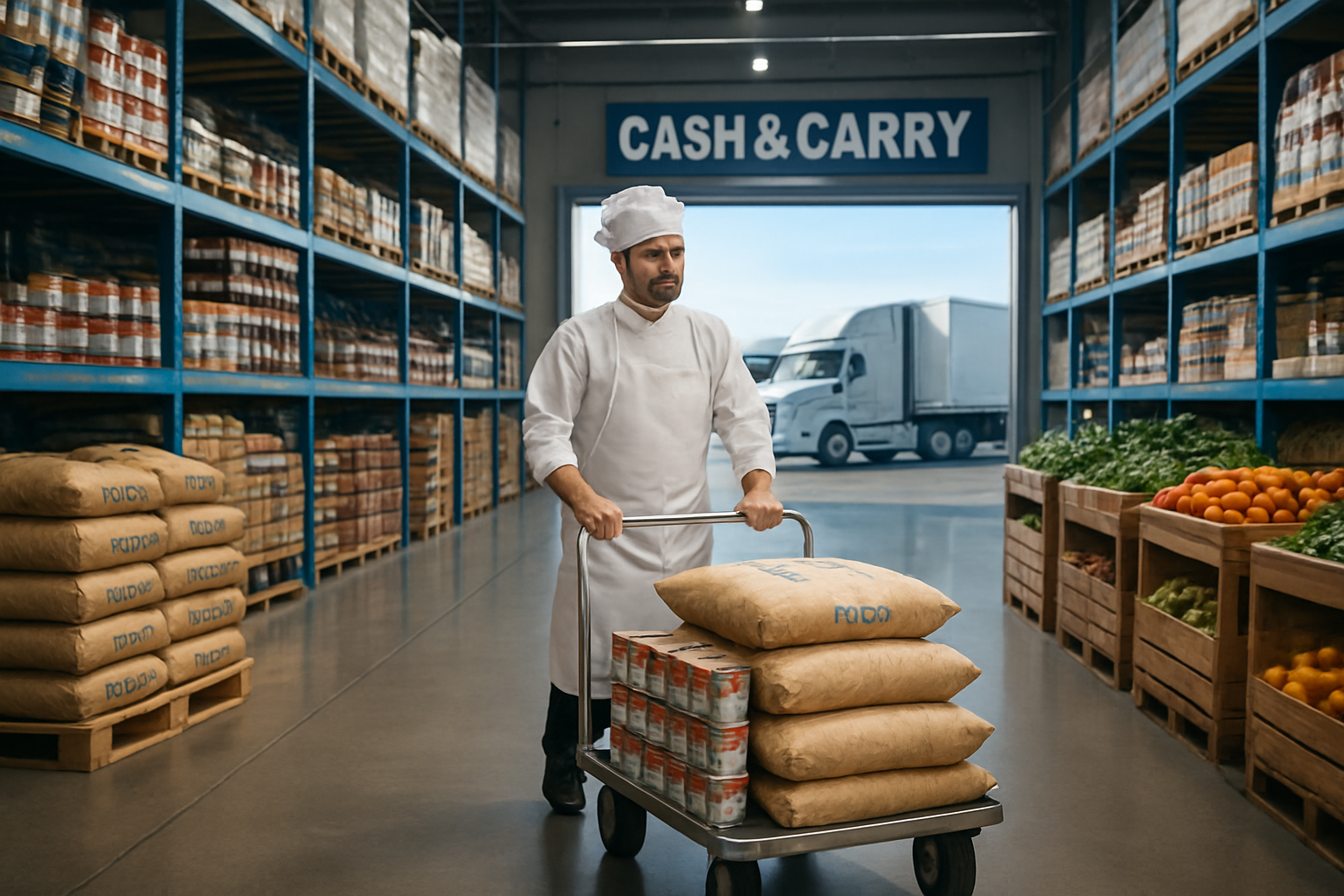
HOUSTON — In a move that fundamentally reshapes the landscape of American food distribution, Sysco Corporation (NYSE: SYY) has announced a definitive agreement to acquire Jetro Restaurant Depot for a staggering $29.1 billion. The deal, finalized today, March 30, 2026, marks the largest acquisition in the history of the foodservice industry and signals a massive strategic pivot toward the "Cash & Carry" retail model. By absorbing the nation’s leading warehouse-style wholesaler for independent restaurants, Sysco is effectively declaring that the future of high-margin growth lies not in the driver’s seat of a delivery truck, but in the aisles of a retail store.
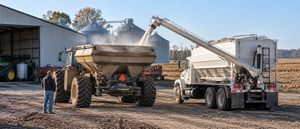
The immediate implications are profound. For decades, the "Broadline" distribution model—where massive semi-trucks deliver thousands of items to a restaurant's back door—has been the industry standard. However, rising fuel costs, chronic driver shortages, and the "last-mile" logistics nightmare have squeezed margins for years. By moving into the direct-to-restaurant retail space, Sysco is bypassing these costs, allowing small-business owners to handle their own logistics while the distributor captures a larger share of the $70 billion Cash & Carry market.
A Massive Marriage of Convenience and Scale
The $29.1 billion transaction consists of $21.6 billion in cash and approximately 91.5 million shares of Sysco stock, giving Jetro’s owners a roughly 16% stake in the combined entity. To finance the cash portion, Sysco has secured $21 billion in new debt, a move that reflects the company's confidence in the immediate accretive value of the deal. At the heart of this acquisition are Jetro’s 166 massive warehouses across 35 states, which serve over 725,000 independent restaurant operators—a demographic that Sysco CEO Kevin Hourican has long described as the "most resilient and profitable" segment of the market.
The timeline leading to this moment began in late 2024, when Sysco started testing "hybrid" distribution hubs that featured smaller, walk-in footprints. However, internal growth proved too slow to compete with the sheer dominance of Restaurant Depot. Market analysts had speculated on a potential merger throughout 2025 as Jetro’s private ownership sought an exit strategy amidst a cooling private equity market. The deal's announcement today was met with a surge in Sysco’s stock price, as investors cheered the anticipated $250 million in annual cost synergies and the rapid expansion of Sysco’s footprint into the high-traffic urban centers where Jetro typically operates.
Winners, Losers, and the Shifting Competitive Landscape
While Sysco (NYSE: SYY) stands as the primary beneficiary of this consolidation, the ripple effects are being felt across the sector. Gordon Food Service (GFS), a privately held titan, appears to be the most immediate rival in the retail space. GFS has been aggressively expanding its own "Gordon Food Service Store" network, reaching 200 locations this year. The Sysco-Jetro deal creates a duopoly in many metropolitan areas, potentially squeezing smaller regional wholesalers who lack the purchasing power to compete with Sysco's new, hyper-efficient retail pricing.
On the other side of the ledger, US Foods Holding Corp. (NYSE: USFD) finds itself at a strategic crossroads. Throughout 2025, US Foods management explored a potential divestiture of its own retail arm, CHEF’STORE, arguing that the retail model lacked synergy with their "delivered-only" focus. With Sysco now doubling down on the warehouse model, US Foods risks being marginalized in the small-business segment or may be forced to find a different strategic partner to maintain its relevance among independent chefs who prefer the flexibility of "will-call" shopping. Meanwhile, Performance Food Group (NYSE: PFGC) has pivoted toward convenience store integration through its Core-Mark division, avoiding the warehouse wars entirely but potentially missing out on the high-volume independent restaurant traffic that Sysco just cornered.
Beyond the Truck: The End of the Broadline Era?
This event is more than just a merger; it is a recognition of the shifting economics of the "last mile." In the traditional model, the cost to serve a small account often eroded the profit margin to nearly zero. By adopting the Cash & Carry model, distributors shift the labor and transportation costs back to the customer. This trend mirrors the broader "retailization" of wholesale, where the line between a Costco-style warehouse and a professional supply house has blurred. Historically, large distributors like Sysco viewed retail as a "fill-in" channel for when a chef forgot a case of tomatoes; today, it is becoming a primary procurement strategy for a generation of restaurateurs who demand price transparency and immediate availability.
The regulatory environment will be the next hurdle. The Federal Trade Commission (FTC) has become increasingly wary of vertical and horizontal integration in the food supply chain. Critics argue that a Sysco-Jetro behemoth could exert too much control over regional pricing, potentially harming the very independent restaurants the deal aims to serve. However, Sysco is likely to argue that the market remains highly fragmented, citing competition from club stores and local produce markets as a check on their market power. If the deal passes regulatory muster, it could set a precedent for further consolidation in the grocery and specialty food sectors.
What Comes Next: The Automated Warehouse and the "Prosumer"
In the short term, Sysco is expected to launch a "Shop and Ship" hybrid model, where customers can walk into a Restaurant Depot to select their fresh proteins and produce while having their bulk dry goods delivered via Sysco’s traditional network. Long-term, the focus will likely shift to automation. Industry insiders expect Sysco to implement micro-fulfillment technology within Jetro warehouses, allowing for faster checkout and better inventory management. This could also open the door to the "prosumer" market—serious home cooks and "side-hustle" caterers who are increasingly seeking professional-grade ingredients without the barriers of traditional wholesale accounts.
However, the path forward is not without challenges. Integrating Jetro’s lean, "no-frills" corporate culture with Sysco’s more structured corporate environment could lead to friction. Furthermore, as more small businesses move to self-service, the demand for traditional delivery could drop, potentially stranding Sysco’s expensive fleet of trucks. The company will need to find a way to balance its legacy delivery business with its new retail ambitions without cannibalizing its own revenue.
A Final Assessment: A New Chapter for Market Efficiency
The Sysco-Jetro deal marks a watershed moment for the financial markets and the food industry alike. It confirms that the age of "growth at any cost" in delivery has been replaced by a focus on "margin-rich convenience." Investors should watch for Sysco’s debt-to-equity ratios and the speed of their integration efforts over the next 18 months. If Sysco successfully scales the Jetro model to 125 new locations as planned, it will create a moat that few competitors can cross.
Ultimately, this move reflects a broader macroeconomic reality: as labor and fuel costs remain volatile, the most successful companies will be those that can successfully offload logistics to the end-user while providing an indispensable product. For the independent restaurant owner, the "Cash & Carry" trend offers lower prices and more control; for Sysco, it offers a path to sustained profitability in an increasingly difficult operating environment. The market has moved from the road to the warehouse, and there is likely no turning back.
This content is intended for informational purposes only and is not financial advice