What Happened?
A number of stocks fell in the afternoon session after April PPI hit 6% annually, the highest in over three years, confirming that wholesale cost pressures were accelerating just as consumer real wages turned negative for the first time since 2023.
Trade services prices rose 2.7% in April, the largest gain in years, reflecting the direct impact of recent tariffs on the retail supply chain. This followed Target's 5% tumble on May 11 as Wall Street analysts, including Barclays, questioned the company's turnaround strategy ahead of its May 20 earnings report.
Retailers earn money when consumers have discretionary income after necessities. Hot PPI signals two simultaneous pressures: wholesale prices for imported apparel, electronics, and home goods are rising faster due to tariffs, and the Federal Reserve cannot cut rates to relieve household borrowing costs. The negative real wage growth reported (3.6% wages vs 3.8% CPI) means consumers are losing purchasing power in real terms. Higher pump prices from the 15.6% surge in gasoline reported in the PPI further compound the pressure on the retail income statement, favoring discount scale players over mid-tier department stores.
The stock market overreacts to news, and big price drops can present good opportunities to buy high-quality stocks.
Among others, the following stocks were impacted:
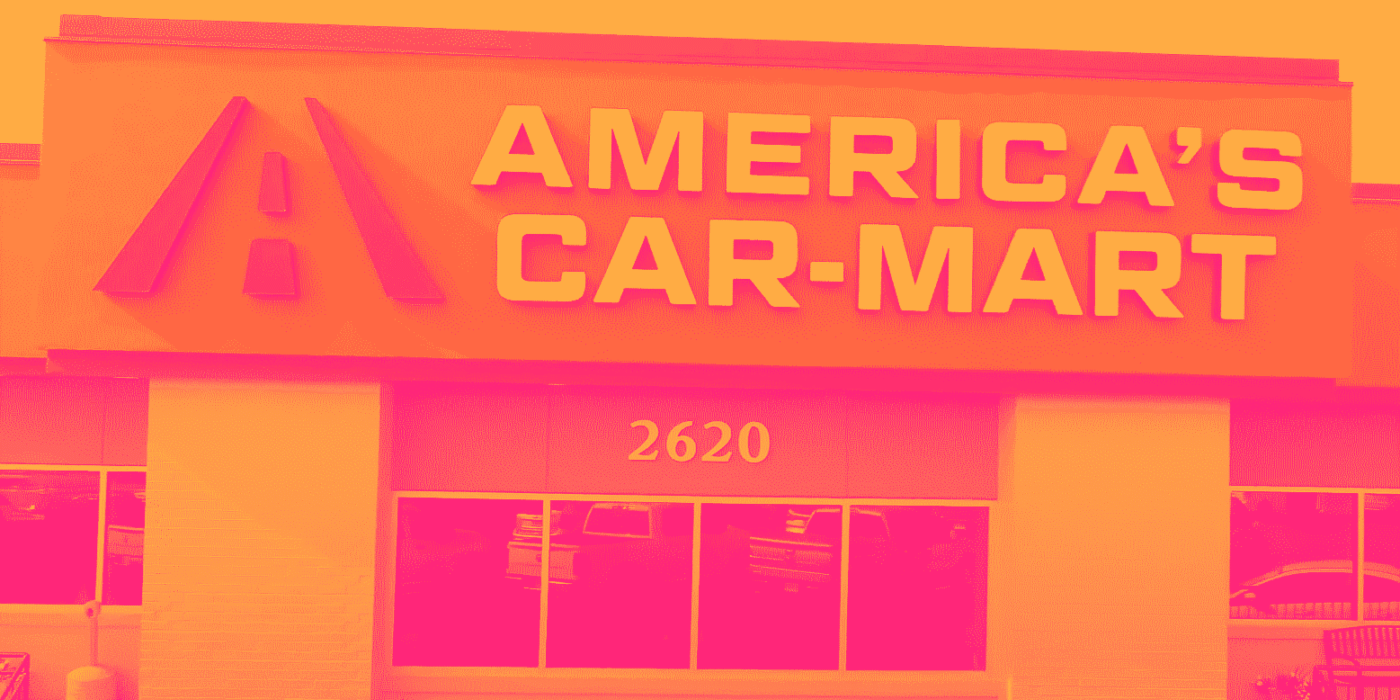
- Vehicle Retailer company America's Car-Mart (NASDAQ: CRMT) fell 4.7%. Is now the time to buy America's Car-Mart? Access our full analysis report here, it’s free.
- Department Store company Kohl's (NYSE: KSS) fell 4.2%. Is now the time to buy Kohl's? Access our full analysis report here, it’s free.
- Auto Parts Retailer company Monro (NASDAQ: MNRO) fell 4.2%. Is now the time to buy Monro? Access our full analysis report here, it’s free.
Zooming In On America's Car-Mart (CRMT)
America's Car-Mart’s shares are extremely volatile and have had 49 moves greater than 5% over the last year. In that context, today’s move indicates the market considers this news meaningful but not something that would fundamentally change its perception of the business.
The previous big move we wrote about was 1 day ago when the stock dropped 3% on the news that April CPI hit 3.8%, the highest reading in nearly three years, confirming that tariffs and oil would show up in store prices.
Retailers earn money when consumers have discretionary income after necessities. Hot CPI signals two simultaneous pressures: prices on imported apparel, electronics, and home goods are rising faster, and the Federal Reserve cannot cut rates to relieve household borrowing costs.
The tariff front-loading dynamic, consumers buying early to beat price increases, boosts current-quarter sales but borrows demand from later quarters. When that one-time demand exhausts itself, the underlying weakness becomes visible. Higher pump prices from oil at ~$107 also compound the pressure.
America's Car-Mart is down 51.1% since the beginning of the year, and at $11.87 per share, it is trading 80.9% below its 52-week high of $62.05 from July 2025. Investors who bought $1,000 worth of America's Car-Mart’s shares 5 years ago would now be looking at only $80.17.
ONE MORE THING: 3 Hidden Platforms Growing 3X Faster than Amazon, Google, and PayPal. Amazon, Google, and Meta all followed the same playbook: Dominate an ignored market. Build an unbeatable moat. Scale until you’re unstoppable.
These three platforms are running that exact playbook right now. The early investors in Amazon made fortunes. The early investors in these could do the same. Get All 3 Stocks Here for FREE.