The legal landscape for South Korean e-commerce titan Coupang, Inc. (NYSE: CPNG) has taken a sharp and more complex turn. In early January 2026, a significant expansion of the class period was announced in a series of securities fraud lawsuits, shifting the focus from previous labor-related disputes to a massive cybersecurity failure. This expansion now encompasses a broader window of investors, specifically those who purchased shares between May 7, 2025, and December 16, 2025, inclusive. The move signals a deepening crisis for the company as it grapples with allegations of systemic internal control failures and delayed disclosures regarding a data breach that compromised millions of customer accounts.
The immediate implications for Coupang are twofold: a heightened potential for significant financial liability and a renewed blow to investor confidence. By pushing the start of the class period back to May 2025, legal teams are now targeting statements made in earlier quarterly reports, alleging that the company’s assurances regarding its risk management and data security were misleading long before the breach was officially acknowledged. For shareholders, this expansion represents a critical window for those who may have suffered losses during the stock's volatility in the latter half of 2025, providing a broader path for seeking restitution.
A Shift in Legal Strategy: From Labor to Data Privacy
The current legal firestorm represents a pivot in the litigation history of Coupang. For several years, the company had been embroiled in a consolidated class action related to its 2021 IPO, which focused on allegations of undisclosed labor practices, workplace safety issues, and anticompetitive behavior. However, that specific litigation reached a conclusion in September 2025, when Judge Vernon S. Broderick of the U.S. District Court for the Southern District of New York dismissed the claims, ruling that the statements in the IPO documents were not actionably misleading. While that dismissal provided a brief moment of reprieve, it was quickly overshadowed by a new, more targeted legal threat.
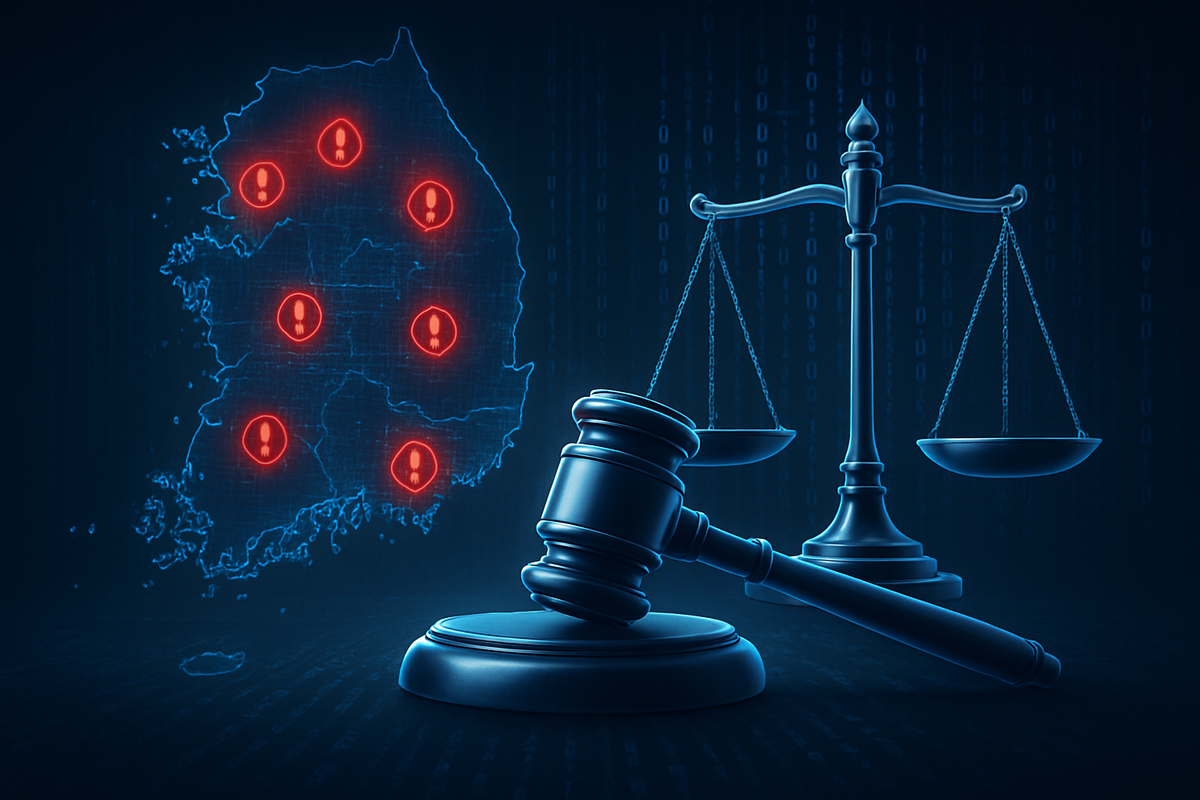
The current litigation, spearheaded by firms such as Saxena White P.A., Hausfeld LLP, and Keller Rohrback L.L.P., centers on a catastrophic cybersecurity breach involving approximately 33.7 million customer accounts in South Korea. The timeline of events is particularly damaging: plaintiffs allege that a former employee maintained unauthorized access to sensitive customer data for nearly six months, starting in June 2025. Although Coupang reportedly detected the breach on November 18, 2025, the company did not file a Form 8-K with the Securities and Exchange Commission (SEC) until December 16, 2025—well beyond the four-business-day window mandated by current regulatory standards.
The expanded class period, which now begins on May 7, 2025, is designed to capture the period following Coupang’s Q1 2025 earnings report. In that report and subsequent filings, the company allegedly touted its robust internal controls and cybersecurity measures. Lawsuits now argue that these statements were materially false because the company was failing to monitor employee access and lacked the necessary protocols to detect a breach of this magnitude. The market reaction to the eventual disclosure in December 2025 was swift, with shares tumbling as investors questioned the integrity of the company’s governance.
Winners and Losers in the Wake of Litigation
The primary beneficiaries of this expanded class period are the institutional and retail investors who entered positions during the mid-2025 rally, only to see their holdings devalued by the year-end disclosure. The expansion allows a much larger pool of claimants to participate in any potential settlement or judgment. Conversely, Coupang itself stands as the primary loser, facing not only the direct costs of defense and potential damages but also an "uncertainty premium" that may weigh on its stock price for the foreseeable future. The company’s reputation as a high-growth, tech-savvy leader in the Asian market is being tested by these allegations of operational negligence.
In the competitive landscape, rivals such as Sea Limited (NYSE: SE) and global giants like Amazon.com, Inc. (NASDAQ: AMZN) may find a strategic advantage. While they are not direct participants in the lawsuit, any sustained loss of consumer or investor trust in Coupang could lead to a shift in market share or a reallocation of capital within the e-commerce sector. Furthermore, the law firms leading the charge—including The Rosen Law Firm and Hagens Berman—stand to gain significant influence and fees, reinforcing their roles as aggressive watchdogs in the international securities market.
For Coupang’s logistics and third-party partners, the litigation creates a climate of instability. If the company is forced to divert significant capital toward legal settlements or massive upgrades to its cybersecurity infrastructure, it could slow down planned expansions or lead to tighter margins for its vendors. The "winner" in this broader sense may be the regulatory bodies in both the United States and South Korea, who are using this case as a high-profile example of the necessity for strict adherence to the SEC’s new cybersecurity disclosure rules.
Broader Industry Trends and Regulatory Ripple Effects
The Coupang case is a landmark example of the evolving nature of securities litigation, where "event-driven" lawsuits are increasingly focusing on cybersecurity rather than traditional financial accounting. As e-commerce companies collect more personal data than ever before, the legal definition of "materiality" is expanding. This event fits into a broader trend where the SEC is cracking down on the timing of breach disclosures, emphasizing that investors have a right to know about cyber risks in real-time. The expansion of the class period to include months of "misleading" risk factor disclosures suggests that courts and plaintiffs are looking deeper into how companies describe their security posture before a crisis hits.
Historically, this case draws parallels to the data breach litigations faced by companies like Equifax or Yahoo, where the delay in disclosure was often more legally damaging than the breach itself. However, Coupang’s situation is unique due to its dual-jurisdiction nature—operating primarily in South Korea while being listed on the New York Stock Exchange. This creates a complex regulatory environment where the company must satisfy both the Korean Personal Information Protection Commission and the U.S. SEC. The outcome of this lawsuit could set a precedent for how non-U.S. companies listed on American exchanges are held accountable for operational failures occurring in their home markets.
Furthermore, the dismissal of the previous labor-related lawsuit in late 2025 provides a stark contrast. It suggests that while courts may be hesitant to litigate broad social and labor issues under securities law, they are much more willing to entertain claims involving tangible data failures and specific disclosure delays. This shift may encourage other law firms to focus their efforts on technical and operational "black swan" events rather than systemic corporate culture issues when filing securities class actions.
The Road Ahead: Lead Plaintiffs and Potential Settlements
The next critical milestone in this litigation is the February 17, 2026, deadline for investors to move for lead plaintiff status. This process will determine which shareholders and law firms will take the helm of the consolidated action. Once a lead plaintiff is appointed, the case will move into the discovery phase, where internal Coupang communications regarding the breach and the decision-making process behind the delayed disclosure will likely come to light. This phase is often where the most damaging information is revealed, potentially forcing the company toward a settlement to avoid a public trial.
In the short term, Coupang may be required to undergo a significant strategic pivot, prioritizing "defensive" capital expenditures—such as massive investments in zero-trust architecture and third-party security audits—over aggressive market expansion. Long-term, the company faces the challenge of rebuilding its "trust equity." If Coupang can demonstrate a rapid and transparent overhaul of its data protocols, it may eventually win back the confidence of institutional investors. However, if the discovery phase reveals a culture of concealment, the company could face even harsher regulatory penalties and a permanent de-rating of its stock.
Market observers should also watch for potential scenarios where Coupang’s management is forced to make leadership changes to appease disgruntled shareholders. The expansion of the class period to include statements made as early as May 2025 puts the spotlight directly on the executive team’s oversight during that period. Whether the company chooses to fight the allegations in court or seeks a quick settlement will be a major indicator of its internal assessment of the legal risk.
Conclusion: A Defining Moment for Coupang’s Governance
The expansion of the class period in the Coupang securities lawsuit marks a defining moment for the company’s post-IPO era. By shifting the legal focus to a massive data breach and the subsequent disclosure timeline, plaintiffs have created a formidable challenge that goes to the heart of Coupang’s operational integrity. The transition from dismissed labor claims to active cybersecurity allegations underscores a broader market shift: in the modern e-commerce landscape, data security is no longer just a technical issue—it is a core fiduciary responsibility.
Moving forward, the market will be watching closely for the appointment of the lead plaintiff in February 2026 and any subsequent motions to dismiss from Coupang’s legal team. Investors should remain cautious, as the "expanded" nature of this class period suggests that the financial stakes are higher than initially anticipated. The lasting impact of this case will likely be felt in how all international companies listed in the U.S. manage their cybersecurity disclosures, serving as a reminder that the cost of silence can often far exceed the cost of the breach itself.
This content is intended for informational purposes only and is not financial advice