The global transportation sector is currently grappling with a massive "energy shock" following the outbreak of a military conflict between a U.S.-Israeli coalition and Iran in late February. As of March 17, 2026, the ripple effects of this geopolitical instability have sent Brent crude prices soaring past $119 per barrel, forcing logistics giants and commercial airlines to implement drastic financial measures to stay afloat. The immediate implication for global commerce is a sharp rise in the cost of moving goods and people, with fuel surcharges reaching historic highs and profit forecasts for major carriers being slashed across the board.
For consumers and businesses alike, the crisis has translated into a rapid surge in shipping rates and ticket prices. In the logistics space, the "fuel line item" on invoices has, in many cases, begun to outweigh the base shipping rate, threatening the margins of cross-border e-commerce and global manufacturing. Meanwhile, the aviation industry is seeing a widening performance gap, as some airlines find themselves fully exposed to the volatile spot market while others lean on strategic hedges and refining assets to weather the storm.
A Perfect Storm in the Strait of Hormuz
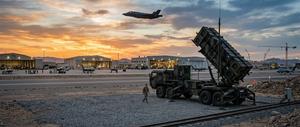
The current energy crisis traces its roots to February 28, 2026, when joint air strikes targeted Iranian oil infrastructure, triggering a retaliatory near-total cessation of tanker traffic through the Strait of Hormuz. This vital maritime artery, which typically handles approximately 20 million barrels per day (mb/d) of crude and refined products—nearly 20% of global supply—has seen its throughput collapse. The resulting supply-side shock saw Brent crude breach the $100 threshold on March 12, peaking near $119.50 shortly thereafter.
Refined products, particularly jet fuel, have been hit even harder than crude oil. In major global hubs like New York Harbor and Singapore, jet fuel spot prices skyrocketed by over 60% in the first two weeks of March. This volatility has been exacerbated by the fact that while demand for Middle Eastern routes has plummeted due to flight cancellations, the global scramble for non-Middle Eastern supply has kept prices at record levels. Industry stakeholders, including the International Energy Agency (IEA), have noted that this is the most significant disruption to global energy security since the 1970s.
Initial market reactions were swift and punishing. Indices tracking the global transportation sector fell sharply as investors realized the extent of the fuel exposure. For the logistics industry, the timeline moved from concern to emergency in a matter of days. By the week of March 16, major carriers began implementing the most aggressive fuel surcharges in their history, signaling that the era of relatively stable shipping costs had come to an abrupt end.
Winners and Losers: The Strategy of Surcharges vs. Hedges
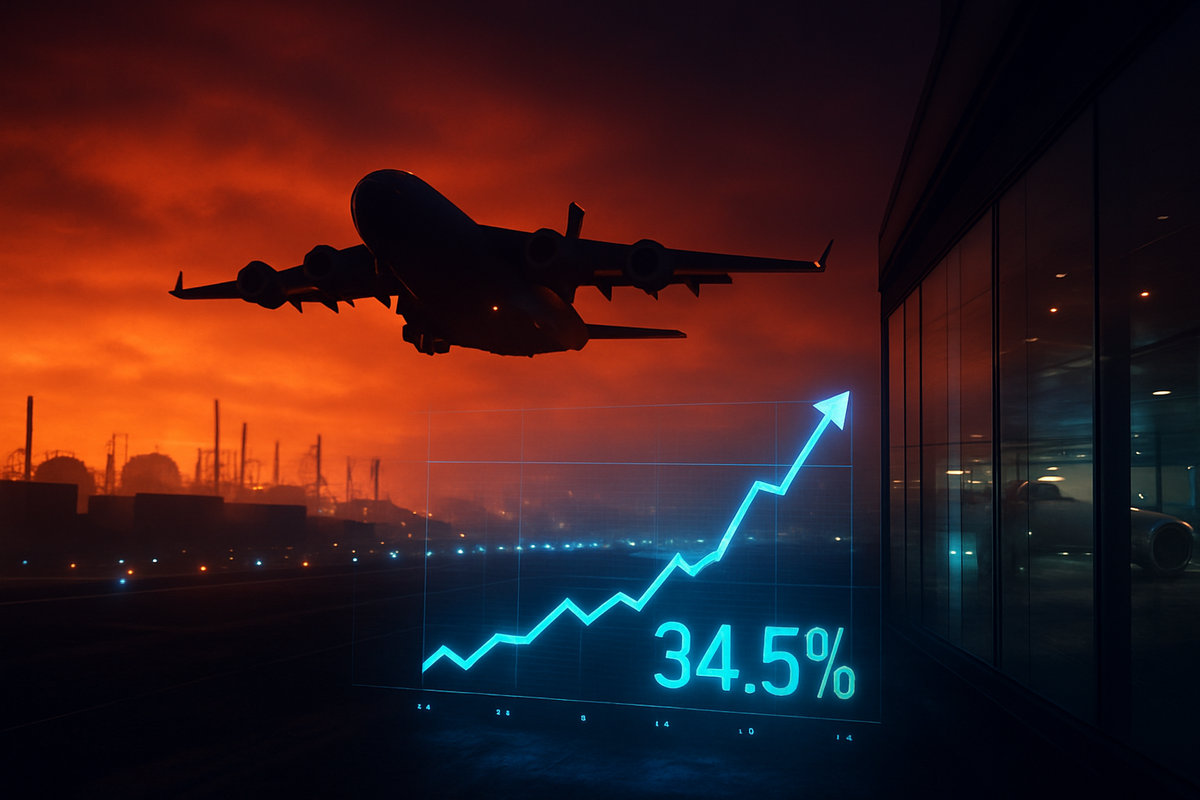
In the logistics arena, FedEx (NYSE: FDX) and United Parcel Service (NYSE: UPS) have moved in lockstep to protect their bottom lines. For the week starting March 16, 2026, both companies hiked their fuel surcharges for international air exports to a staggering 34.5%. These aggressive adjustments are designed to pass the increased cost of jet fuel directly to the customer. While this protects the carriers’ margins, it places an enormous burden on global shippers. FedEx has also notably implemented "emergency surcharges" for shipments to the Middle East, with rates for Israel tripling to $1.50 per pound as operational risks in the region escalate.
The commercial airline sector presents a more fragmented picture. American Airlines Group Inc. (NASDAQ: AAL) has emerged as the primary victim of the fuel spike. Analysts at UBS recently slashed their profit target for the carrier, cutting the 2026 earnings estimate from $2.21 per share to a mere $0.43. The reason for this drastic revision is American's long-standing strategy of remaining 100% unhedged on fuel. Without any protection against rising prices, AAL is now the "high-beta" expression of fuel risk in the market, with UBS projecting a second-quarter loss of $0.31 per share.
Conversely, Delta Air Lines, Inc. (NYSE: DAL) and United Airlines Holdings, Inc. (NASDAQ: UAL) have shown remarkable resilience. Delta’s ownership of the Trainer refinery in Pennsylvania has acted as a structural hedge, allowing the airline to offset spikes in the "crack spread"—the difference between crude oil and refined jet fuel prices. Similarly, United Airlines has benefited from a premium passenger mix and a modernized, fuel-efficient fleet under its "United Next" strategy. UBS maintained its "Buyer" rating for Delta, noting that while price targets were adjusted downward, the airline is expected to remain profitable even as the conflict continues.
Broader Industry Trends and Ripple Effects
This event fits into a broader trend of "de-globalization" and the increasing vulnerability of long-range supply chains to geopolitical shocks. The 34.5% surcharge from FedEx and UPS is likely to trigger a localized shift in manufacturing, as companies look to "near-shore" production to avoid the prohibitive costs of international air freight. Historically, similar spikes in 2022 led to a temporary cooling of global trade, but the 2026 crisis is more acute due to the direct involvement of the world’s primary oil-producing region and the speed of the escalation.
The ripple effects are also being felt by competitors and partners. Regional carriers and smaller freight forwarders, who lack the scale or the hedging capabilities of the "Big Three" airlines or the logistics giants, are facing a liquidity crisis. Furthermore, the high fuel costs are likely to accelerate regulatory pushes for Sustainable Aviation Fuel (SAF) and alternative propulsion, though these technologies remain years away from being able to provide relief in the current crisis.
Policy implications are also mounting. Governments in the West are facing pressure to release strategic petroleum reserves (SPR) specifically for the aviation sector to prevent a total collapse in travel and trade. However, with the Strait of Hormuz restricted, the replenishment of these reserves is uncertain, creating a policy deadlock that leaves the private sector to manage the volatility through the aforementioned surcharges and price hikes.
The Path Forward: Pivots and Potential Scenarios
In the short term, the aviation and logistics industries must focus on "tactical agility." For American Airlines, this may mean a forced reduction in capacity and a shift toward its most fuel-efficient routes, while FedEx and UPS will likely keep surcharges elevated until a ceasefire or a reopening of the Strait of Hormuz is secured. If the conflict persists through the summer travel season, the industry could see a wave of consolidations or government bailouts for carriers that were already struggling with debt.
Long-term, the strategic pivot will likely involve a complete re-evaluation of fuel hedging and vertical integration. Delta’s refinery success will likely prompt other airlines to explore energy partnerships or direct investments in refining. Additionally, the logistics sector may move toward dynamic pricing models that adjust daily rather than weekly, using AI-driven algorithms to manage fuel risk in real-time. Market opportunities may emerge for "green" logistics providers who can demonstrate lower fuel dependency, though this remains a niche market for now.
The worst-case scenario—a multi-year regional war—would fundamentally break the current hub-and-spoke model of global travel, favoring smaller, point-to-point routes that utilize more efficient narrow-body aircraft. Conversely, a rapid de-escalation could lead to a massive "snap-back" in demand and a collapse in fuel prices, rewarding those who stayed flexible and punishing those who locked in high-cost hedges at the peak of the panic.
Summary and Investor Outlook
The March 2026 energy shock has provided a stark reminder of the fragile link between geopolitical stability and the cost of global movement. While the 34.5% fuel surcharges from FDX and UPS act as a necessary shield for the logistics giants, they serve as a tax on the global economy. In the airline sector, the contrast between the unhedged vulnerability of AAL and the refined resilience of DAL and UAL highlights the critical importance of risk management in a volatile world.
Moving forward, the market will remain highly sensitive to any news regarding the Strait of Hormuz and the progress of diplomatic efforts in the Middle East. Investors should keep a close eye on upcoming earnings calls to see how much of the fuel cost increase is being offset by "yield management"—the ability of airlines to raise ticket prices without losing passengers. For the logistics sector, the key metric will be "volume retention" in the face of record-high surcharges.
As we look toward the second half of 2026, the resilience of the global consumer remains the biggest wildcard. If demand for air travel and global shipping holds steady despite these costs, the sector may emerge leaner and more efficient. If demand buckles, a broader economic recession could be the next chapter of this crisis.
This content is intended for informational purposes only and is not financial advice.